



This year in 2026, the bright and joy filled festival of Holi falls on Wednesday, 4 March. If you are already picturing colours in the air and that first
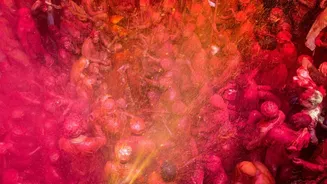
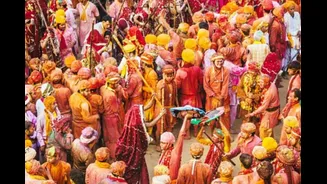
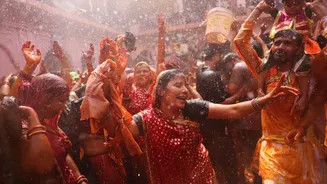
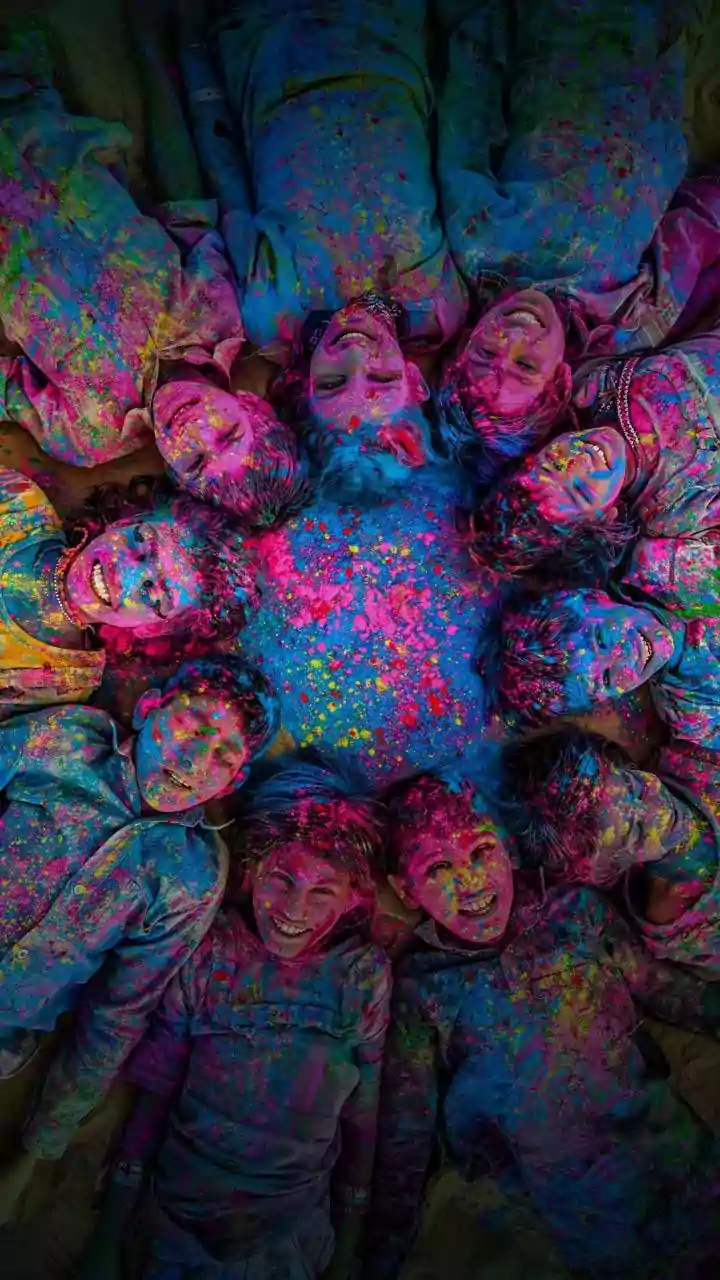
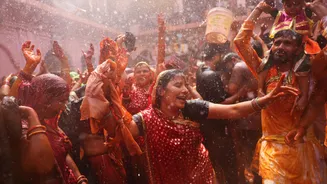
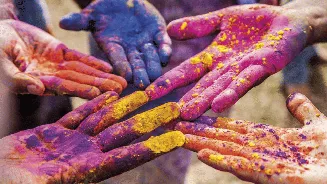
hint of spring warmth, you are not alone. Holi has a way of arriving not just on the calendar, but in people’s moods. Unlike fixed festivals, Holi follows the Hindu lunar calendar. It is celebrated on the full moon day of Phalguna, which is why the date shifts every year, usually between late February and March. There is something beautiful about that. The festival does not follow convenience. It follows the moon. The celebrations begin the night before, on 3 March, with Holika Dahan. Bonfires are lit in neighbourhoods and temple courtyards, and families gather around the flames. The ritual recalls the story of Prahlad and Holika, a reminder that faith and goodness ultimately prevail. As the fire burns, many people quietly let go of old worries, grudges or fears. It feels symbolic, but also deeply personal. The next morning is what most of us eagerly wait for. The colours. The laughter. The unapologetic joy. Holi is also tied to Lord Krishna and his playful love for Radha. In Mathura and Vrindavan, this connection comes alive in the most heartfelt way. Devotees sing, dance and celebrate as if the stories are unfolding in the present. In Mathura especially, Holi feels less like a single day and more like a shared emotion. Temples echo with bhajans, flower petals rain down on visitors, and strangers greet each other with smiles and colour. At Banke Bihari Temple in Vrindavan, devotion and celebration blend so naturally that it is hard to tell where one ends and the other begins. So when 4 March 2026 comes around, Holi will not just mark a festival. It will mark a feeling. A reminder to laugh a little louder, and step into the new season with colour on your hands and lightness in your heart!