




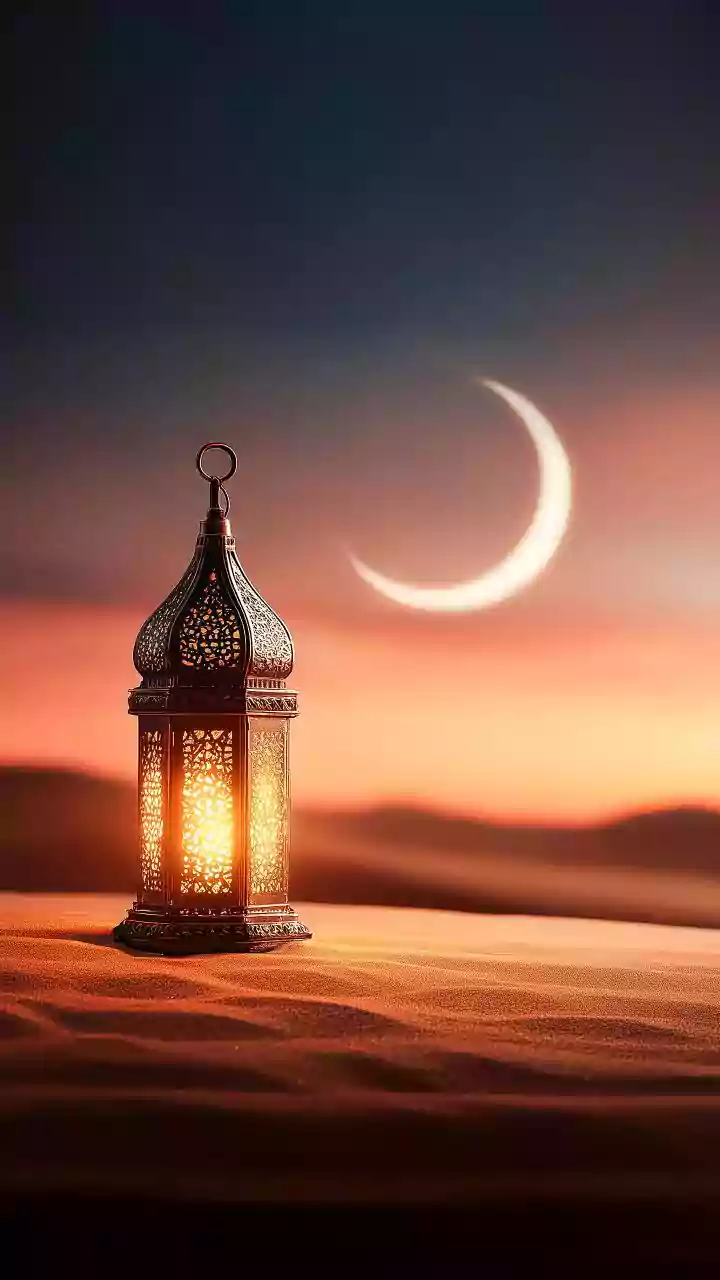
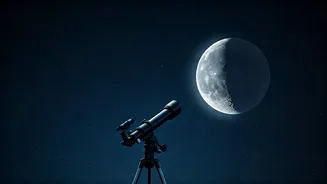

The holiest month for Muslims, Ramadan, will most likely begin on either Wednesday, 18 February or Thursday, 19 February. Ramadan depends on the sighting
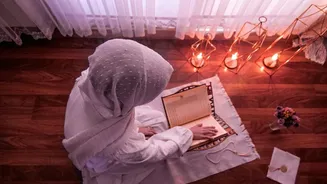
of the crescent moon (hilal) and it is the ninth month of the Islamic calendar. Moon sighting is followed by Muslims across the world. The crescent moon, which is a thin sliver, becomes visible after the sky is dark. Moon sighters will face west after sunset on 17 February, which is also the 29th day of the month of Shaban in the Hijri calendar. They will then attempt to sight the moon. If the crescent moon is spotted, the month of Ramadan will begin and the first day of fasting will be 18 February. Otherwise, 19 February will be the first day. According to the website of Islamic Networks Group, "In Ramadan, Muslims commemorate the revelation of the Qur’an, and fast from food and drink during the sunlit hours as a means of drawing closer to God and cultivating self-control, gratitude and compassion for those less fortunate. Ramadan is a month of intense spiritual rejuvenation with a heightened focus on devotion, during which Muslims spend extra time reading the Qur’an and performing special prayers. Those unable to fast, such as pregnant or nursing women, the sick, elderly people and children, are exempt from fasting." During Ramadan, Muslims fast from pre-dawn to sunset. "Muslims welcome Ramadan as an opportunity for self-reflection and spiritual improvement, and as a means to grow in moral excellence. Ramadan is also a highly social time, as Muslims invite each other to break the fast together and meet for prayers at the mosque," states the website of Islamic Networks Group. For Muslims, fasting during Ramadan is a means of attaining taqwa, signifying a state of constant awareness of God. The entire Qur’an is also recited during special nightly prayers. Disclaimer: This article is based on popular beliefs. Times Now is not responsible for the accuracy or completeness of the information and facts provided here.