
Bhogi marks the first day of the four-day Pongal and Sankranti festival celebrated widely across South India. Observed mainly in Tamil Nadu, Andhra Pradesh
and Telangana, Bhogi Pandigai signals the arrival of the harvest season and a fresh phase of life. The festival is deeply rooted in the idea of letting go of the old and welcoming positivity, prosperity and renewal. In 2026, Bhogi Pandigai will be celebrated on Tuesday, January 13.
Bhogi 2026 Date And Sankranti Timing
Bhogi Pandigai: Tuesday, 13 January 2026
Makar Sankranti / Thai Pongal: Wednesday, 14 January 2026
Sankranti Moment: Around 3:13 PM IST on January 14, 2026
Bhogi is observed a day before Makar Sankranti, during the final phase of the Tamil month of Margazhi. Since the Sun enters Makara Rashi on January 14, Bhogi is celebrated on January 13 as a spiritual and cultural lead-up to Sankranti.
Pongal And Makar Sankranti Dates
Bhogi is part of a larger four-day celebration that honours nature, agriculture, cattle and family bonds.Day 1: Bhogi Pandigai
Day 2: Makar Sankranti / Thai Pongal (Pedda Panduga)
Day 3: Kanuma Panduga / Mattu Pongal
Day 4: Mukkanuma / Kaanum Pongal
While each day has its own significance, Bhogi sets the tone by focusing on cleansing, renewal and fresh starts.
Bhogi Mantalu: The Bonfire Ritual
One of the most important rituals of Bhogi is Bhogi Mantalu, the early-morning bonfire. Families gather at dawn and burn old clothes, broken household items and unused belongings. This ritual symbolises letting go of the past, clearing negative energy and making space for new opportunities. The fire is believed to purify both the home and the mind, encouraging people to step into the new season with clarity and hope.
Bhogi Pallu: Blessings For Children
Bhogi Pallu is a special ritual dedicated to young children, usually between the ages of three and six. Dressed in traditional clothes, children are showered with a mixture of Indian jujube, black gram, flowers, jaggery, coins and sugarcane pieces. The ritual is believed to protect children from the evil eye and bless them with health, prosperity and happiness. In some regions, a sweet called Ariselu, made from rice and jaggery, plays a special role. Toddlers are gently encouraged to take their first steps on the sweet, symbolising growth, progress and new milestones in life.
Rangoli And Kolam Celebrations
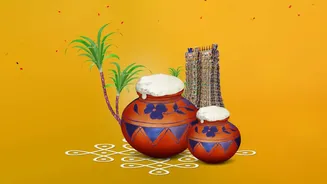
Homes are decorated with colourful rangolis or kolams, often made early in the morning. Many neighbourhoods even hold friendly competitions, adding to the festive spirit and sense of community.
Bommala Koluvu
As part of Bhogi celebrations, families display dolls and figurines on tiered platforms in a practice known as Bommala Koluvu. This decorative arrangement is done with devotion and reflects cultural traditions passed down through generations.
Disclaimer: This article is based on popular beliefs. Times Now is not responsible for the accuracy or completeness of the information provided.