




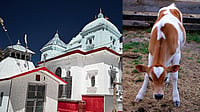

Badrinath is among the four pilgrimage sites that make up the Char Dham Yatra of Uttarakhand. The pilgrimage begins with Yamunotri, followed by Gangotri
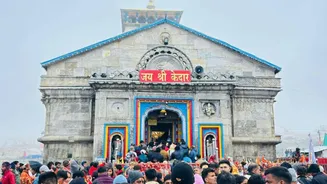
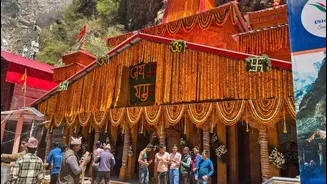
and then Kedarnath. It ends at Badrinath. On Akshaya Tritiya, the Char Dham Yatra kicked off with the opening of the Gangotri and Yamunotri temples. The portals of Kedarnath Dham, one of the 12 Jyotirlingas, have opened today, on 22 April. Badrinath will open its portals tomorrow, on 23 April, at 6:15 am. Online Registration: registrationandtouristcare.uk.gov.in Offline Registration: Physical registration counters are available at major transit points (e.g., Haridwar, Rishikesh, Janki Chatti, Sonprayag). A valid photo ID (Aadhaar Card, PAN Card, Passport, or Voter ID), active mobile number, and recent photograph is required.
All About Badrinath Dham
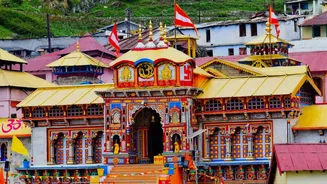
Badrinath is located at an elevation of around 3,100 metres in Uttarakhand's Chamoli district, on the banks of the Alaknanda River. The Badrinath Temple, also known as the Badrinarayan Temple, has Lord Vishnu as its presiding deity. According to the website of the Shri Badrinath Kedarnath Temple Committee, it is among the 108 Divya Desams, the sacred abodes of Lord Vishnu. Divya Desams are a collection of 108 temples dedicated to Lord Vishnu and are revered in the Vaishnavite tradition."The concept of the 108 Divya Desams finds its roots in the Alvars, a group of 12 revered saints who lived between the 6th and 9th centuries CE. These mystic poets and devotees of Lord Vishnu composed thousands of devotional hymns, known as the Nalayira Divya Prabandham, which extol the glory and divinity of the Lord’s abodes," states the website of ISKCON Seshadripuram. It adds, "According to legend, Lord Vishnu himself revealed these 108 sacred sites to the Alvars, granting them the privilege of spreading the eternal wisdom and enlightenment found within these hallowed grounds. Each temple in the 108 Divya Desams is believed to house a specific manifestation of Lord Vishnu, each with its unique iconography, legends, and spiritual significance."
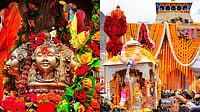
The garbha griha of Badrinath Dham is home to the idols of Lord Badari Narayan, Kuber, Narad Rishi, Udhava, and Nar-Narayan. The idol of Lord Badari is sculpted in black stone and is one metre high. "According to the Skanda Purana, the idol of Lord Badrinath was recovered by Adi Guru Shankaracharya from Narad Kund and was re-enshrined in the 8th century AD in this temple." It was initially enshrined inside a cave near the Tapt Kund hot springs and was later moved to its present location by the King of Garhwal in the 16th century. The idol of Lord Vishnu is in a meditative pose called Padmasana. According to the Vamana Purana, the sages Nara and Narayana, the fifth avatar of Lord Vishnu, performed penance here.
How To Reach
By flight: Jolly Grant Airport, located about 35 km from Dehradun, is the nearest airport to Badrinath, situated at a distance of around 314 km. It is well connected to Delhi with daily flights. Badrinath is accessible by motorable roads from the airport, and taxis are readily available.By train: The nearest railway station to Badrinath is Rishikesh, located about 295 km away on NH58. Rishikesh is well connected to major destinations across India, with frequent train services. From there, Badrinath can be reached by road. Taxis and buses are available from Rishikesh, Srinagar, Rudraprayag, Chamoli, Joshimath, and other nearby towns.
By road: Badrinath is well connected by motorable roads to major destinations in Uttarakhand. Buses to Haridwar, Rishikesh, and Srinagar are available from ISBT Kashmiri Gate in New Delhi. Buses and taxis to Badrinath are easily available from cities such as Dehradun, Haridwar, Rishikesh, Pauri, Rudraprayag, Karnaprayag, Ukhimath, Srinagar, and Chamoli. Badrinath is connected to Ghaziabad via National Highway 58.