






What is the story about?
Ganesh Visarjan is not just the end of Ganesh Chaturthi. For some devotees, it marks the completion of Ganesha's stay at home or in a pandal. The idol
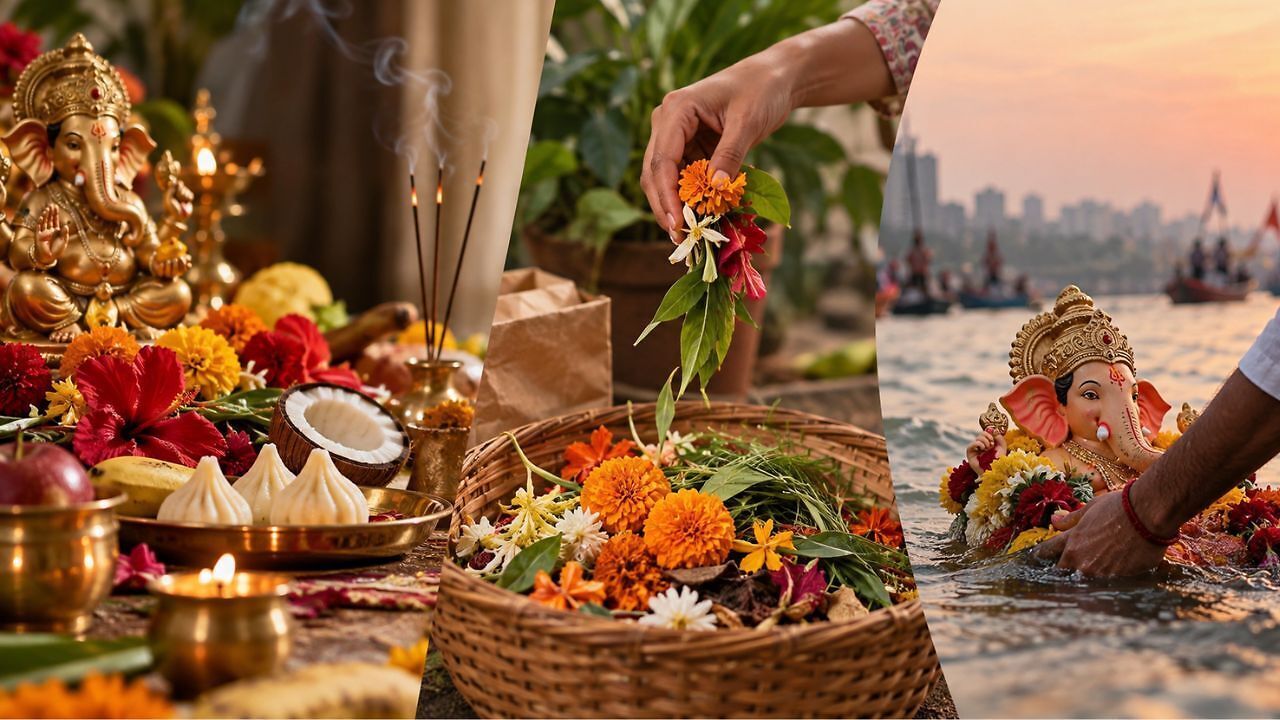
is immersed and devotees seek Ganesha's blessings before bidding him goodbye. In 2026, the main 10-day celebrations conclude on Anant Chaturdashi, September 25, although many families perform visarjan earlier. But what happens to the flowers, durva, garlands, sweets, fruits, coconuts and other items that were offered during the puja? These items are often referred to as nirmalya once they have been offered to the deity. While customs can differ between families and regions, there are a few simple practices devotees can follow.
Do Not Just Throw The Items In Bin
Flowers, garlands and durva that have been offered to Ganesha should be handled respectfully. Instead of mixing them with regular household waste, many treat such offerings separately because they have been part of the puja.A simple option at home is to place flowers and other biodegradable offerings in a clean and designated place. Basically, you have to allow them to return to nature. They can also be composted where possible.
Also Read: When Is Anant Chaturdashi 2026? Date, Puja Muhurat, Anant Sutra And Ganpati Visarjan
What should be avoided is throwing large quantities of flowers, plastic decorations, synthetic material or other non-biodegradable puja waste into rivers, lakes or other natural water bodies. This is particularly important during visarjan, when large amounts of religious material can enter water bodies.
What About The Prasad?
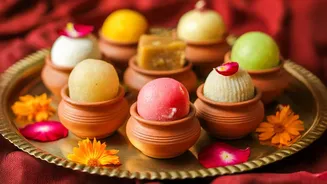
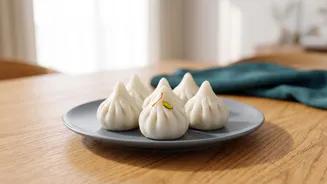
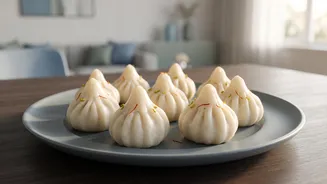
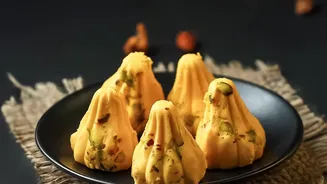
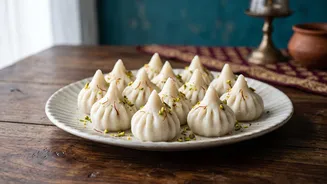
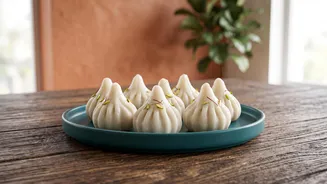
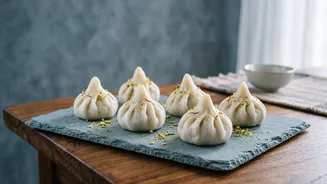
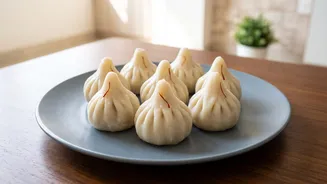
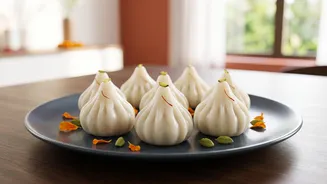
Prasad should not be treated like ordinary leftover food. Modaks, laddoos, fruits and other bhog offered to Ganesha can be distributed among family members, neighbours and others after the puja. The idea here is to receive and share prasad rather than waste it. If the food has spoiled or is no longer fit to eat, it should not be consumed simply because it was offered during puja. Make sure you dispose of it responsibly rather than forcing anyone to eat it.Fresh fruits can similarly be consumed or shared. Coconut used during the puja can also be distributed as prasad, depending on the family's tradition.
What About Incense Sticks And Other Material?
Used cotton wicks, incense sticks and other small puja remains can be collected separately. Once completely cool, ash from incense or havan material may be disposed of according to family tradition, while synthetic decorations, plastic wrappers and other non-biodegradable materials should go into the appropriate waste stream.The same principle applies to decorative material used during Ganesh Chaturthi.
Meanwhile, Anant Chaturdashi is also the day when Ganesh Visarjan takes place and it marks the conclusion of the 10-day Ganesh festival, which begins on Ganesh Chaturthi. In many homes and pandals, Ganesh idols installed for the festival are immersed on Anant Chaturdashi. Devotees take out processions to bid farewell to Ganpati and pray for his return the following year. This year, on September 25, Anant Chaturdashi will see the worship of Lord Vishnu and the wearing of the Anant Sutra, along with Ganpati visarjan in many places.
Disclaimer: This article is based on popular beliefs. Times Now is not responsible for the accuracy or completeness of the information and facts provided here.