





In Hinduism, Makar Sankranti is considered a sacred festival. According to the scriptures, when Surya Dev (the Sun God) enters the Capricorn (Makar) zodiac
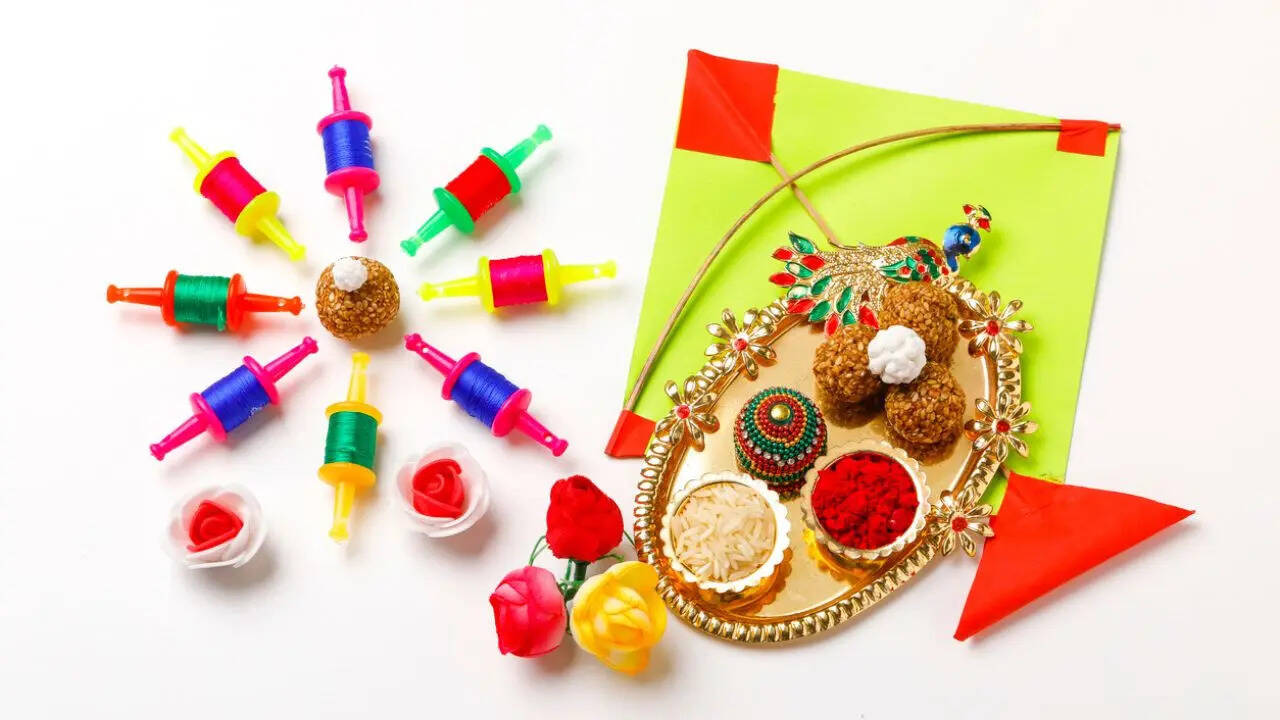
while journeying through the twelve signs, Makar Sankranti is celebrated on that day. In different parts of the country, it is also known by names such as Sarkat, Lohri, Tehri, and Pongal. On this day, snan (ritual bath) and daan (charity) are considered especially important. As soon as the Sun enters Capricorn, its northward movement, known as Uttarayan, begins. It is believed that this is the time when the day of the gods and the night of the demons begins. The period of Kharmaas ends, and with it begins the month of Magh, during which all auspicious and ceremonial activities can be resumed. On this day, while offering water to Surya Dev, it is a tradition to offer red flowers, clothes, wheat, Akshat (uncooked rice grains), and betel nuts. Khichdi also holds special significance on Makar Sankranti, which is why many people distribute it as charity. Taking a bath in holy waters of rivers such as Ganges is considered auspicious. One needs to chant the Gayatri Mantra, worship Surya Dev, and recite guru mantra after the snan.
When is Makar Sankranti?
According to Drik Panchang, Makar Sankranti falls on Wednesday, 14 January, 2026.Makar Sankranti Punya Kala - 03:13 PM to 06:18 PM
Makar Sankranti Maha Punya Kala - 03:13 PM to 05:04 PM
According to Drik Panchang, "The time between Makar Sankranti and 40 Ghatis (roughly 16 hours for Indian locations if we consider 1 Ghati duration as 24 minutes) from the time of Makar Sankranti is considered good for auspicious work. This duration of forty Ghatis is known as Punya Kaal. Sankranti activities, like taking bath, offering Naivedhya (food offered to deity) to Lord Surya, offering charity or Dakshina, performing Shraddha rituals and breaking fast or Parana, should be done during Punya Kaal." It also states that all "Punya Kaal" activities should be done during day time.
Makar Sankranti Worship – Method
On Makar Sankranti, it is considered auspicious to wake up before sunrise and take a bath in a holy river like Ganga (Ganges). If bathing in a river is not possible, mix a little Ganga Jal with your bathing water. Afterwards, wear clean clothes and apply a tilak of roli (vermilion) and rice on your forehead. For the worship, fill a copper lota with water and add roli, flowers, jaggery, and black sesame seeds. Stand facing the east and worship the rising Sun with the mantra 'Om Suryaya Namah' or 'Om Ghṛṇi Suryaya Namah'—both are considered highly beneficial. During the puja, sit with your head covered and avoid tamasic food.
Disclaimer: This article is based on popular beliefs. Times Now is not responsible for the accuracy or completeness of the information provided.