
Makar Sankranti is one of the few Indian festivals that follows the solar calendar, which is why it falls on almost the same date every year. In 2026,
Makar Sankranti will be observed on January 14. The festival marks a powerful shift in nature, belief, and tradition, and for many devotees, the day begins with a sacred dip in the holy Ganga.
What Is Makar Sankranti And Why Is It Important?
Makar Sankranti marks the moment when the Sun enters the zodiac sign of Capricorn (Makara). This movement is seen as the end of the winter solstice and the beginning of Uttarayan, a phase considered highly auspicious in Hindu belief.One needs to chant the Gayatri Mantra, worship Surya Dev, and recite guru mantra after the snan. Additionally, while offering water to Surya Dev, it is a tradition to offer red flowers, clothes, wheat, Akshat (uncooked rice grains), and betel nuts. Khichdi also holds special significance on Makar Sankranti, which is why many people distribute it as charity.
When Is Makar Sankranti?
In 2026, there has been confusion about whether the festival falls on January 14 or January 15. According to Drik Panchang, Makar Sankranti falls on Wednesday, 14 January, 2026.Makar Sankranti Punya Kala - 03:13 PM to 06:18 PM
Makar Sankranti Maha Punya Kala - 03:13 PM to 05:04 PM
Wake up before sunrise and take a bath, preferably in a holy river. If that isn’t possible, mix a few drops of Ganga Jal in your bathing water. Wear clean clothes and apply a tilak of roli and rice.
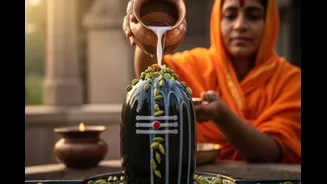
For the puja, fill a copper lota with water and add roli, flowers, jaggery and black sesame seeds. Face east and offer water to the rising Sun while chanting “Om Suryaya Namah” or “Om Ghṛṇi Suryaya Namah.” Keep your head covered during worship and avoid tamasic food on the day.
Why Ganga Snan Is Important On Makar Sankranti
A holy dip in the Ganga River on Makar Sankranti is considered especially powerful. According to belief, bathing in the Ganga on this day helps wash away past sins and negative energies. Devotees believe that the Sun’s transition enhances the river’s spiritual energy, and a dip at sunrise brings inner purification and peace. This is why lakhs of devotees gather at sacred ghats in Haridwar, Prayagraj, Varanasi, and Rishikesh every year, braving cold waters to perform the ritual with faith and devotion.Disclaimer: This article is based on popular beliefs. Times Now is not responsible for the accuracy or completeness of the information provided.