




What is the story about?
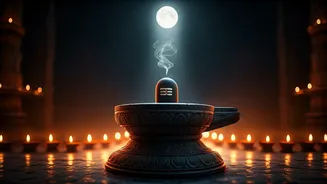
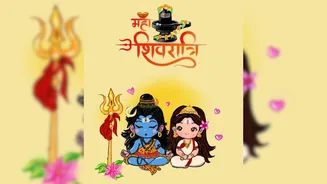
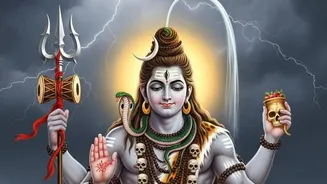
Maha Shivratri, a day of celebrating and worshipping Lord Shiva will be observed on 15th February. What makes this year's Maha Shivratri special is that
several unique and rare planetary combinations occur, which enhance the significance and power of the festival. On this day, the Uttara Ashadha Nakshatra will prevail from sunrise until 7:26 PM, while Vyatipat Yoga lasts until 2:45 AM, and the auspicious Amritmrityunjaya Yoga will also form. During the entire day and night, the following planetary positions will occur:
- The Moon and Saturn in the first sign of Capricorn
- Mars in Capricorn
- Mercury in the second sign of Aquarius
- Jupiter in Gemini in its exalted position
- Venus in the second sign of Aquarius
- Saturn in the Moon’s sign
- Jupiter’s movement will be in a neutral position
- Ketu in Leo and Rahu in Aquarius
Read: Maha Shivratri 2026: Simple Rituals to Attract Your Ideal Life Partner
Planetary Yogas Formed on Shivaratri
The Chaturdashi Tithi begins on the evening of 15th February and continues until 16th February. The festival of Shivaratri is observed on this tithi because the main worship of Maha Shivaratri is performed at night. Therefore, the night of 15th February is considered the appropriate time for celebration.During this period, the Sun, Mercury, Rahu, and Venus align in Aquarius, generating a powerful energy field. The Sarvartha Siddhi Yoga lasts from 7:45 AM to 7:00 PM. According to astrologers, on the day of Maha Shivratri, the Moon will be in Shravana Nakshatra. The presiding presiding deity is Lord Shiva and whose ruler is Lord Vishnu. An occurrence of Shravana Nakshatra on Shivaratri symbolises Lord Vishnu and Lord Shiva together. It's an auspicious moment.
Timings of Worship
First Prahar: 6:39 PM – 9:45 PMSecond Prahar: 9:45 PM – 12:52 AM
Nishitha Kaal: 12:28 AM – 1:17 AM
Disclaimer: This article is based on popular beliefs. Times Now is not responsible for the accuracy or completeness of the information and facts provided here.