This year's Chaitra Navratri stretch comes to a close tomorrow, March 27. Ahead of the same, pay an ode to Maa Durga by planting her favourite flowers
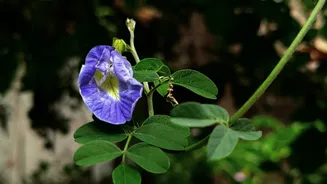
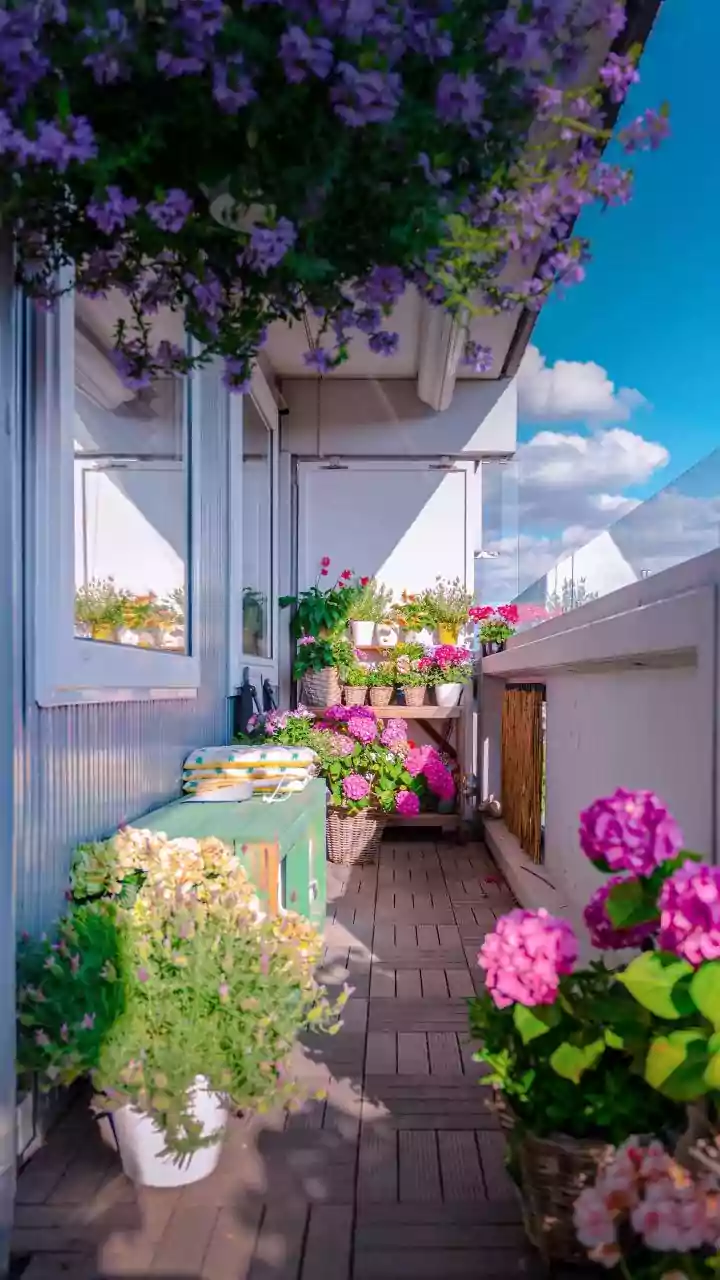
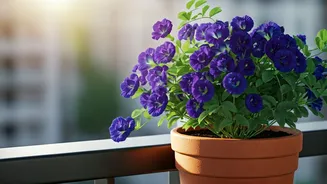
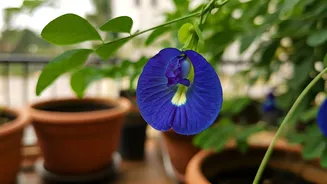
- the Aparajita. Also called Asian Pigeonwings, this flower typically comes in either a brilliant shades of blue which fades into a soft yellow at the centre, or even pastel lavender and whites. This flower is a perfect fit for small spaces like a balcony garden. What's more, this isn't a very fussy plant, not needing intensive aftercare once it settles into its potted home. This is the perfect pick for both gardening enthusiasts as well as those that have just begun their journey as plant parents, its added divine context giving it a spiritual purpose.
Lots of sunlight
The Aparajita needs direct sunlight everyday, and plenty of it to grow well. This plant is best placed in a spot that gets bathed with sunlight during the morning or afternoons. Avoid shade.
The right pot
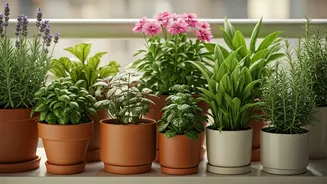
This flower is a climber plant, meaning it needs plenty of root space, that too in a container that drains well. A practical starting size for this would be a pot which is about 8 to 12 inches deep and 12 to 14 inches wide. Also ensure that the chosen pot has plenty of drainage holes so that the water doesn't accumulate around the roots and drain them - something which will directly impact the plants flowering capacity.
Healthy soil
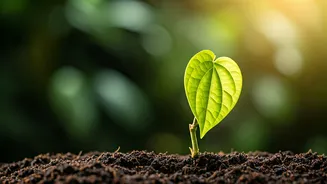
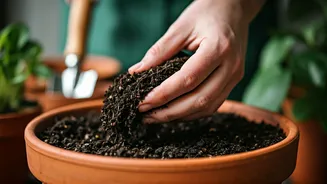
This flowering plant needs well-drained, fertile soil. The Asian Pigeonwing is a perfect match for dry to slightly damp soil that is then consistently watered. Be mindful so as to not turn the soil soggy. For this, a loose potting mix blended with compost does the trick, letting the soil stay airy whilst simultaneously nourishing the growing plant.
Special care for the seeds
A healthy pack of seeds is enough to get this plant's journey in your balcony kickstarted, though the bloom is better promised if the seeds are prepped prior to planting. Soaking them in water for a few hours or even overnight is said to nudge ahead the germination process, softening them as well as improving the chances of sprouting. Very gently nicking the seeds' coatings is also a commonly followed practice to allow a quicker bloom for the plant. Additionally, these seeds must be sowed at the right depth - ideally about an inch deep into the soil, also keeping each kernel apart so as to allow each vine to grow in its own space. These seeds also respond best to warm weather, making the summer months an opportune time to get potting this plant.
Measured hydration
Hyrdation in a controlled measure is important for the Aparajita plant when it's young, but soaking the soil will be detrimental to the plant's growth. While the soil needs water, it is best to not drench the young leaves which instead, could lead to fungal problems in the plant. As a matter of fact, this plant doesn't even need to be watered everyday - only when the top layer starts feeling dry.
Supported growth
The Aparajita is a twining vine, meaning it needs support to climb on. A trellis, railing, wire frame, or balcony grill - essentially the usual suspects are all good fits. The plant may still grow without support - but that will lead it to typically sprawl, making for an untidy visual impact.
Upkeep and aftercare
If the Aparajita gets too long, the vines tend to weaken. Regular pruning counters this issue. Routinely removing the deadhangs from the plant is also crucial to keep it blooming. The tips too need to be trimmed periodically to encourage side growth from the plant. Finally, any small pests simply need a strong spray of water to dissipate while dead and infested leaves can simply be removed from the plant.