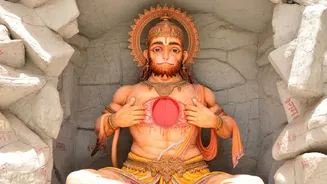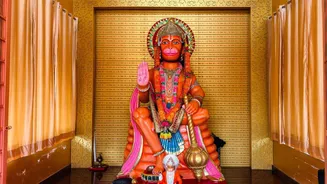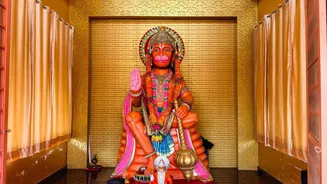








Hanuman Janmotsav also known as Hanuman Jayanti is being celbrated today on April 2. It is believed that Lord Hanuman was born in the Treta Yuga, on the full
moon day of the Shukla Paksha in the month of Chaitra. "Hanuman Jayanti is observed as the birth anniversary of Lord Hanuman. The day is very significant for the devotees of Lord Hanuman. Lord Hanuman is the son of Mata Anjana and Kesari. He is also described as the son of Vayu Deva i.e. the wind god," states Drik Panchang. He is seen as Lord Ram’s most devoted follower and, in Kaliyuga, is worshipped as a living deity, often referred to as Chiranjeevi. That’s why this day holds such importance for devotees. On this occasion, devotees must recite the Sundarkand. While, some visit temples, others prefer doing the paath quietly at home.
What is Sundarkand?
"Sundarkand is a part (Kanda or Sopana) of Ramayana written by Valmiki and Shri Rama Charita Manasa written by Goswami Tulsidas. Sundarkand contains the events from Lord Hanuman's departure to Lanka, burning of Lanka to His return from Lanka," states Drik Panchang.Benefits of Reciting Sundarkand
"Sundarkand recitation promotes mental peace and offers one the capability and assurance to complete tasks. It will offer you the ability to resolve all of your problems, fulfill your ambitions, and protect you from the negative effects of unfavorable planetary alignments. Relief from your pains shall be there by daily recalling the abstain provided here. Sundarkand path has several advantages," states the website of Astrotalk.Helps deal with obstacles
People often say that regular recitation can slowly ease ongoing problems. If things keep getting delayed or plans don’t work out, this is something many turn to.
Brings Lord Ram’s blessings
The Sundarkand focuses on Hanuman’s devotion and dedication to Lord Ram. Reciting it fills up a devotee with sense of positivity.
Builds confidence over time
Many feel that reading it regularly helps calm the mind. It can reduce confusion and make it easier to stay focused, especially when it comes to studies or work.
Reduces fear and negativity
If there’s a constant feeling of worry or uneasiness, people believe this recitation can help bring some peace of mind. Over time, even the atmosphere at home may start to feel calmer.
How people usually recite the Sundarkand
There’s no strict timing, it can be done whenever it suits you. Most people prefer to bathe first and wear clean clothes. Before any puja, one must light up a diya in the place of worship, and the paath usually begins with a short prayer to Lord Ganesha. It’s generally done in one sitting, without interruptions. After finishing the path, one must offer prasad such as boondi and laddoo.
Auspicious Timings for Morning and Evening Worship
On 2 April, the auspicious morning muhurat is from 6:10 am to 7:44 am. Those who are unable to perform puja in the morning can do so in the evening between 6:39 pm and 8:06 pm. After this, the general auspicious period continues until 9:32 pm.Disclaimer: This article is based on popular beliefs. Times Now is not responsible for the accuracy or completeness of the information and facts provided here.