






Rising Fuel Concerns Could Affect More Than Just Daily Commutes
For many Indian families, weekend drives and short road trips have become an important part
of modern lifestyle planning. Whether it is visiting relatives, taking children out, planning quick getaways, or driving to nearby tourist destinations, personal vehicle travel has increasingly become a preferred option for convenience and flexibility.
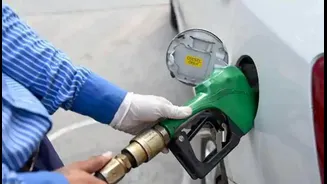
But recent discussions around possible fuel-saving measures and potential fuel price pressures are now raising concerns about how rising petrol and diesel costs could affect household travel plans in the coming months.
According to reports, the Centre is considering several fuel conservation measures amid global energy uncertainty, including the possibility of work-from-home recommendations and other steps aimed at reducing fuel consumption.
While no final decision has been announced, the discussion itself is already making many families think more carefully about travel spending.
Why Weekend Travel Could Become Costlier
Fuel expenses play a major role in domestic travel budgets, especially for middle-class households using personal vehicles for:
- highway trips
- pilgrimages
- family outings
- hill station visits
- intercity drives
Even moderate increases in fuel prices can significantly impact:
- total trip cost
- toll expenses
- hotel budgeting
- food spending during travel
For families already managing rising costs of groceries, education, and household bills, leisure travel may increasingly require stricter planning.
Families May Start Travelling Differently
Travel experts say rising transport costs often lead to behavioural changes rather than complete cancellation of trips.
Many families may begin:
- choosing shorter destinations
- reducing spontaneous drives
- combining multiple errands into one trip
- travelling in groups to split costs
- preferring rail travel over long road journeys
Weekend travel may gradually become more “planned” instead of impulsive.
Some urban travellers are also reconsidering frequent long-distance drives in favour of nearby experiences within city limits.

Why Hybrid Work Discussions Are Also Connected
Reports about possible work-from-home recommendations are also tied to broader fuel-saving discussions. If hybrid work expands again in some sectors, families may experience:
- fewer office commute expenses
- reduced weekly fuel consumption
- more flexible travel planning opportunities
For some households, savings from reduced commuting could partly offset rising travel costs elsewhere.
At the same time, businesses connected to travel and hospitality may closely monitor changing consumer behaviour if transport costs continue rising.
Public Transport and Shared Mobility Could Gain Attention
Experts believe rising fuel sensitivity may also encourage greater use of:
- metro systems
- carpooling
- buses
- app-based shared rides
- electric vehicles
In large cities, some families may increasingly compare:
- road trip expenses
- train ticket costs
- flight discounts
before finalising travel plans.
Why Consumer Psychology Matters Too
Sometimes, even the expectation of rising fuel prices changes spending behaviour before actual price increases happen.
Families may begin:
- cutting discretionary travel
- postponing holidays
- limiting non-essential driving
- prioritising essential expenses
This psychological impact often influences tourism and retail sectors as well.
Closing Note: Travel Planning May Become More Budget-Conscious
For Indian families, road trips and weekend journeys remain closely connected with relaxation, family bonding, and celebrations. But as fuel-related concerns grow globally, many households may start approaching travel with more caution and financial planning. And in the coming months, smarter budgeting may become just as important as choosing the destination itself.