






Shocking Raid Uncovers Unsafe Production
In a significant development for food safety in Hyderabad, authorities conducted a surprise inspection of a local food processing unit. This operation,
situated in the Madhura Nagar area of Borabanda, was found to be involved in the manufacture of ginger-garlic paste under severely unsanitary conditions. The unit, operating under the name A1 Sahara Gold Ginger & Garlic Paste, was raided by a joint team comprising food safety officers and the Khairatabad Zone Commissioner’s Task Force. During the inspection, the man overseeing the operations, identified as Mohd Abdullah, was apprehended by law enforcement. This incident casts a grim light on the practices of some establishments that supply essential kitchen ingredients, suggesting a concerning lack of oversight in ensuring that products reaching consumers meet basic safety and hygiene standards. The findings underscore a critical vulnerability in the food supply chain where essential commodities might pass through inadequate safety checks before reaching markets and dining establishments.
Deplorable Conditions Revealed
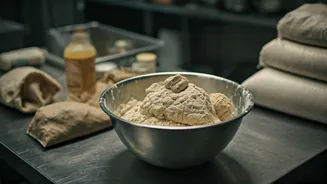
The state of the production facility was found to be alarming, with ginger-garlic paste being prepared in plastic containers that clearly lacked any form of proper sanitation. The manufacturing process involved the addition of common ingredients such as citric acid and salt. However, the storage of the final product was particularly egregious, with the paste being kept in open tubs. These tubs were exposed to the environment, allowing dust, flies, and other forms of dirt to contaminate the food. Officials who examined the site declared the product unfit for human consumption due to the pervasive unsanitary environment. The disregard for basic hygiene principles points to a dangerous indifference towards public health, where profit seemingly took precedence over the well-being of consumers who would eventually ingest this paste.
Widespread Distribution Network
Evidence gathered during the investigation indicated that the substandard ginger-garlic paste was not confined to a single location. According to reports, the police revealed that the product was being distributed across the entire city of Hyderabad. This distribution network included various outlets such as local kirana stores, numerous restaurants, and catering services, suggesting a broad reach for the unsafe product. The primary motivation behind these illicit operations appeared to be financial gain, with a clear lack of concern for the safety implications of selling contaminated food items. This wide-ranging distribution implies that a significant number of consumers and food establishments may have unknowingly been exposed to the hazardous paste, underscoring the urgency of such food safety crackdowns.
Licensing and Seizure Operations
Further scrutiny of the unit's operations uncovered irregularities concerning its official licensing. Reports confirmed that the Food Safety and Standards Authority of India (FSSAI) license associated with the unit presented discrepancies. Specifically, the address listed on the FSSAI certificate did not correspond to the actual operational site where the unhygienic production was taking place. This mismatch suggests an attempt to circumvent regulatory oversight. In consequence of the raid, officials proceeded to seize a substantial quantity of the contaminated ginger-garlic paste, amounting to 1,155 kg. Additionally, essential production equipment, including a grinder, a weighing scale, and various packing materials, were confiscated. The estimated total value of the seized goods was approximately ₹2.5 lakh, highlighting the scale of the operation.
Legal Ramifications Ensue
Following the successful raid and seizure of illicit goods, all confiscated items, along with the apprehended individual, Mohd Abdullah, have been transferred to the Tappachabutra police station. This marks the initiation of the legal process against the perpetrators. An ongoing investigation is underway to thoroughly examine all aspects of the case, from the sourcing of raw materials to the distribution channels employed. Legal action is expected to follow as authorities work to ensure accountability and deter similar violations in the future. This decisive action by the food safety department aims to reinforce the importance of adhering to stringent food safety regulations and protecting public health from such egregious breaches of trust.