







Exmoor: British Wildlife Haven
Nestled across Somerset and Devon in England, Exmoor National Park, a former royal hunting ground, offers a less-trodden path for nature enthusiasts. This
expansive park, covering 267 square miles, is characterized by dramatic valleys, sweeping wild moors, and ancient woodlands that harbor rare Atlantic rainforests. Its rugged coastline boasts England's tallest sea cliff, providing a spectacular backdrop for exploration. Hikers can traverse the challenging 26-mile coast path between Porlock and Combe Martin, encountering iconic sights like the feral-goat-populated Valley of Rocks and the secluded Heddon's Mouth cove. For a more extended stay, towns like Dunster, Exford, and Wheddon Cross serve as excellent bases for seeking out Exmoor's abundant wildlife. The park is home to approximately 3,000 red deer, the endangered Exmoor ponies, and a rich diversity of birdlife. Specialized Land Rover tours can lead you to remote areas, offering chances to witness young ponies in spring and summer, observe the autumn deer rut, or spot short-eared owls in winter. During summer, wildflowers vividly paint the landscape in shades of pink, adding to its natural allure.
Linnansaari: Finnish Lake Paradise
In Finland, often lauded as the world's happiest country, Linnansaari National Park embodies the deep connection Finns have with nature. Spanning 38 square miles, this park is a magnificent archipelago of over 130 islands scattered across the vast Lake Saimaa. These islands are blanketed in birch and pine forests, with undergrowth rich in herbs and berries, and their canopies alive with various bird species, including ospreys. Crucially, Linnansaari is a vital habitat for the Saimaa ringed seal, one of the planet's rarest seal species, often seen basking on the lake's rocky shores. Water-based activities are central to the Linnansaari experience, offering opportunities for paddleboarding through serene channels, canoeing between the picturesque islands, sailing on the open waters, or indulging in refreshing wild swims. The lakeside village of Oravi acts as the primary hub, facilitating boat transfers, equipment rentals, and excursion bookings. A typical visit is best planned for three to four days to fully immerse in the park's offerings, with organized trips often including hiking, dedicated seal-watching cruises, and opportunities for wild swimming.
Mercantour: French Alpine Majesty
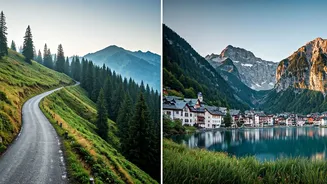
Located in southeastern France, close to the Mediterranean coast and the Italian border, Mercantour National Park offers a unique blend of Alpine splendor and coastal influence. Despite its accessibility from Nice, this 262-square-mile park remains surprisingly under the radar. It captivates with its charming hilltop hamlets, vibrant wildflower-strewn meadows, and striking azure lakes, all set against the dramatic backdrop of peaks like Cime du Gélas, soaring to 3,143 meters. While winter activities include snowshoeing and ski touring, summer transforms the park into a playground for adventure sports such as canyoning, rock climbing, and via ferrata. The challenging Baus de la Frema via ferrata route is particularly exhilarating for those with a head for heights. Over 370 miles of marked hiking trails crisscross the park, with notable routes through the Merveilles and Fontanalba valleys, renowned for their extensive collection of Bronze Age petroglyphs. Visitors can explore independently or join guided tours from mid-June to late September to access more remote areas. For dedicated trekkers, a six-day self-guided hike through Mercantour is also available.
Matsalu: Estonian Bird Sanctuary
Matsalu National Park in Estonia is an exceptionally wet and wild wonderland, a haven for birdlife. Covering 188 square miles, this park features a diverse mosaic of coastal meadows, sprawling marshes, extensive reedbeds, sandy islets, and islands that extend into the Väinameri Sea. Its prime location makes it one of Europe's most significant birdwatching destinations, situated directly on the East Atlantic Flyway, a critical migratory route for millions of birds traveling between their northern breeding grounds and southern wintering sites. From April to mid-May and again in September to late October, the park buzzes with the arrival of migratory birds, mingling with resident species to create an incredible spectacle of avian activity. Visitors might witness courting grebes, majestic white-tailed eagles in pursuit of prey, and elegant cranes. Starting at the visitor center near Lihula, the Penijõe River hiking trail offers opportunities to hear the distinctive booming of bitterns and the rasping calls of corncrakes. The Haeska observation tower is legendary, having recorded 128 species in a single day, a European birding record. For a different perspective, boat tours are available, gliding past traditional fishing huts and potentially spotting elk and beavers alongside various bird species.
Słowiński: Poland's Shifting Dunes
Often referred to as the 'Polish Sahara', Słowiński National Park in Poland offers an extraordinary desert-like landscape, a unique phenomenon in Europe. This 72-square-mile park is renowned for its dramatic, crescent-shaped sand dunes, which are in constant motion, sculpted and reshaped by the powerful winds and waves of the Baltic coast. These colossal dunes can reach heights of up to 40 meters and migrate as much as 10 meters annually, sometimes engulfing older forests while simultaneously creating new ecosystems. Beyond its sandy expanse, Słowiński also comprises a variety of habitats, including coastal lakes, peat bogs, meadows, and pine forests, which collectively support a rich array of wildlife such as otters, deer, beavers, white-tailed eagles, and black storks. The seaside town of Łeba serves as the primary access point, ideal for one to two days of exploration. Renting a bike from Rowerowa Łeba is a popular way to navigate the park's 80 miles of dual-purpose trails. A notable route leads to Czolpino Lighthouse, winding directly through the dunes, while ascending Rowokol hill, Słowiński's highest point at 115 meters, provides panoramic views of the park's dynamic natural processes. Conservation efforts have also seen the remarkable comeback of the European bison; once on the brink of extinction, their population has stabilized and grown significantly, with notable reintroductions in Polish national parks.
Peneda-Gerês: Portugal's Wild North
Tucked away in the far north of Portugal, Peneda-Gerês National Park, covering 269 square miles, is the country's sole national park. It meticulously safeguards four substantial granite massifs, intricate valleys, diverse forests, and the wild fauna that inhabits them. The park also preserves the region's rich human history, evident in its landscape dotted with megalithic tombs, a well-maintained ancient Roman road, and historic pilgrim routes. This is a land where rural traditions persist, characterized by small, isolated stone villages where life has remained largely unchanged since the 12th century. Villages like Soajo are notable for their traditional espigueiros (elevated granaries) and characteristic houses, some of which have been transformed into charming accommodations. Organized tours offer week-long self-guided explorations or day hikes, including trails that pass by historic wolf traps, a testament to the park's conservation efforts. While wolves are now protected, sightings are more common for ibex, the distinctive horned Barrosã cattle, and wild garrano horses.
Garajonay: La Gomera's Ancient Forests
Garajonay National Park, situated on the less-traveled Canary Island of La Gomera, is a UNESCO Biosphere Reserve and a World Heritage Site renowned for its prehistoric atmosphere. This 15-square-mile park is defined by its dramatic ravines, striking volcanic plugs, and steep cliffs. Its most prized feature is its ancient laurel forests, which are living relics of the warm, temperate woodlands that once covered much of Europe and North Africa during the Tertiary period. Stepping into this moss-draped, mist-shrouded park feels like journeying back two million years. The park is exceptionally biodiverse, boasting numerous endemic species, including the La Gomera giant lizard. For an initial introduction, the Juego de Bolas visitor center provides comprehensive information for self-guided trails. Popular routes include the challenging yet magnificent 10-mile Gran Circular Pajarito loop and the ascent to Alto de Garajonay, the island's highest peak at 1,487 meters. Visiting during the day offers stunning views towards Mount Teide on Tenerife, while nighttime excursions reveal the exceptionally clear, star-filled skies of the island's dark regions.