




Island's Core Value
Far from being a fleeting trend, the kitchen island is consistently lauded by interior designers as an indispensable component of a functional and aesthetically
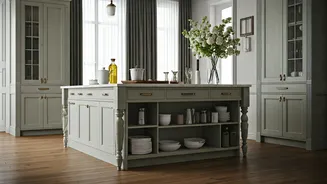
pleasing kitchen. Experts emphasize that its true strength lies in its versatility as a multi-purpose hub. It serves as a vital workspace for meal preparation, a convenient landing zone for groceries or serving dishes, and perhaps most importantly, a natural focal point that encourages social interaction. Beyond these practicalities, an island plays a crucial role in defining the overall layout and flow of a kitchen space. It acts as a central anchor, organizing movement within the room and establishing the relationship between different zones like cooking, dining, and lounging areas. While very small kitchens might necessitate foregoing an island, for the majority of homes, a thoughtfully designed single island remains the ideal solution for optimizing space and functionality, often being the standard choice for most residences.
Creative Island Alternatives
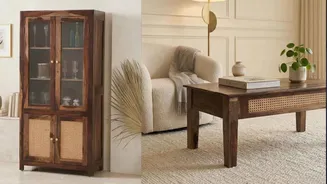
For those who find themselves in kitchens where a full-fledged island with extensive cabinetry isn't a necessity, or perhaps for individuals who embrace a more minimalist approach, creative alternatives to traditional islands can be explored. This is particularly relevant for larger kitchens or for those who already possess ample storage solutions. One inspired option involves repurposing a substantial antique table to serve as an island. Such an approach not only injects a unique character and a touch of elegance into a well-appointed kitchen but also provides the essential functional benefits of an island without the need for added cabinets. This method offers a distinctive way to enhance both the visual appeal and the utility of the culinary space, proving that practicality and personal style can harmoniously coexist.
Outdated Island Styles
While the fundamental concept of a kitchen island is enduring, designers acknowledge that certain stylistic choices can render them less timeless. The trend has shifted away from overly ornate or complex designs towards a preference for cleaner lines and more deliberate detailing. Multi-level or double-tiered islands, once implemented to create spatial divisions, are now often perceived as dated. Similarly, the idea of double islands, while potentially suitable for expansive kitchens, can sometimes lead to underutilization. One island might end up serving primarily as a secondary surface or informal dining area, rather than a true functional workspace, creating 'unprogrammed' space that feels awkward to fill. The sentiment among experts is that double islands might follow a path similar to other once-trendy but ultimately impractical features, becoming less relevant as lifestyles evolve and prioritizing functionality and streamlined aesthetics.