
IBS: The Foundation
Irritable Bowel Syndrome (IBS) is a prevalent gastrointestinal disorder, creating a multitude of symptoms that disrupt daily life. While the exact causes
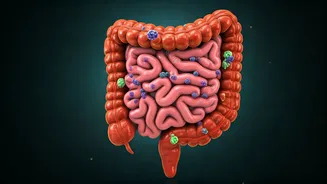
of IBS are complex and multifaceted, the interaction between the brain and the gut is thought to play a significant role. This brain-gut axis involves a two-way communication system that influences digestive function. Issues with gut motility (how quickly food moves through the digestive tract), increased intestinal permeability (leaky gut), and heightened visceral sensitivity (increased awareness of gut sensations) also contribute to IBS symptoms. Furthermore, disruptions in the gut microbiome, which refers to the community of bacteria, fungi, and other microorganisms living in the intestines, are frequently observed in individuals with IBS. Environmental factors, like stress, are also known triggers. Understanding the interplay of these elements is crucial for effective management.
Dietary Fails Explained
Many individuals with IBS embark on dietary changes with the hope of alleviating their symptoms, yet often encounter disappointment. One common reason for these failures lies in the complexity of IBS and its triggers. A dietary approach that works for one person might be ineffective or even counterproductive for another, because IBS symptoms can vary greatly from person to person. Additionally, many popular diets do not address the specific factors contributing to an individual's IBS symptoms. Fad diets often lack a solid scientific base and may unintentionally eliminate essential nutrients, worsening the overall health status. Another factor is the lack of personalization. Without professional guidance and a thorough understanding of their own triggers, individuals might make incorrect dietary choices. Moreover, some diets are difficult to maintain. Overly restrictive or complex meal plans can lead to nutritional deficiencies and make it challenging to adhere to the diet long-term, thereby causing frustration and eventually discontinuation.
Healing Strategies Unveiled
Embarking on a healing journey from IBS entails a multifaceted approach tailored to each individual's specific needs and triggers. The foundation is often established by making dietary adjustments, sometimes through the guidance of a registered dietitian or nutritionist. This may involve identifying and eliminating trigger foods. Foods that commonly trigger symptoms include high-FODMAP foods (fermentable oligosaccharides, disaccharides, monosaccharides, and polyols), which are types of carbohydrates that can be poorly absorbed in the small intestine. Moreover, managing stress levels becomes crucial, as stress can exacerbate IBS symptoms. Techniques such as mindfulness, meditation, yoga, or spending time in nature are beneficial strategies. Furthermore, some individuals find that incorporating probiotics or prebiotics can help to restore a healthy gut microbiome, which in turn can lead to symptom relief. Regular exercise is also beneficial. Finally, it’s imperative to work with a healthcare professional to create a customized treatment plan that addresses all aspects of IBS.