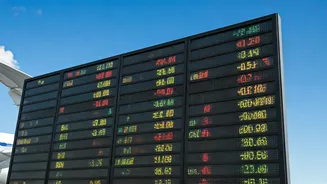







The Price Surge Explained
For many, the dream of snagging a cheap summer flight in 2026 is quickly fading as ticket prices climb and available seats dwindle. The traditional approach
of waiting for a last-minute price drop is proving to be a misstep. Airlines are operating with reduced capacity, meaning fewer flights are on offer. Compounding this scarcity are escalating fuel expenses, which airlines are passing on to consumers. Furthermore, travel demand remains robust, with people eager to embark on summer holidays. This perfect storm of limited supply and high demand creates an environment where fares naturally increase, and any available deals vanish almost instantly. Travellers who book early and remain flexible are finding themselves in a much better position to secure reasonable fares, understanding that in this market, booking when prices are merely acceptable is often the wisest course of action.
Shifting Booking Strategies
The established wisdom of waiting for flight prices to dip before booking is no longer a reliable strategy for summer 2026. Airlines are adopting a more conservative approach to scheduling, and their sophisticated pricing models often see fares increase as demand builds, rather than decrease as departure dates approach. Savvy travellers are adapting by focusing on three key areas: booking well in advance, maintaining flexibility in their travel plans, and adjusting their expectations regarding ticket costs. Flexibility, in particular, has emerged as a critical advantage. Simple adjustments like opting for mid-week travel, scheduling flights during less popular early morning or late-night hours, or even considering alternative departure airports can lead to significant savings. Additionally, travelling during the 'shoulder' periods—the weeks immediately preceding or following the main holiday rushes—can still uncover pockets of more affordable travel options.
Why Last-Minute Costs More
The perception of last-minute travel being cheaper is largely a relic of the past for summer 2026. A significant shift has occurred, both in practical terms and in traveller psychology. Historically, travellers might have anticipated significant discounts and flash sales close to the departure date. However, airlines, facing a landscape of elevated operational expenses, are far less inclined to drastically reduce prices in the final weeks before a flight. Simultaneously, the desire for summer travel remains undiminished. For families, students, and leisure travellers, the summer window is a non-negotiable period for trips. Consequently, flights continue to fill up, even when ticket prices are higher than usual. This sustained demand, coupled with airlines' cautious pricing strategies, means that waiting for a last-minute bargain is likely to result in a more expensive ticket.
Book Now or Wait?
The question on many minds is whether to secure a flight now or hold out for a potential deal. For travellers whose dates are fixed and non-negotiable, the clear recommendation is to book immediately. Hesitation in such scenarios will almost certainly lead to higher fares. However, if you possess a degree of flexibility in your travel plans, it's still possible to find reasonable flight prices. This approach demands diligent monitoring of fares and a swift decision-making process when a suitable option arises. Deals do materialize, but they are fleeting and require a proactive stance. In essence, while cheap summer flights haven't entirely disappeared for 2026, they are considerably more elusive and easier to miss if one isn't prepared to act decisively.