





Seasonal Travel Peaks
Indian travel is increasingly dictated by the rhythm of the year, with distinct periods favoring specific types of journeys. July stands out as a prime
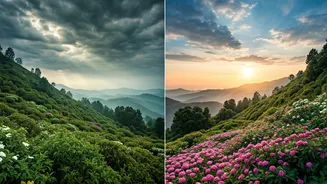
booking month, largely fueled by a desire for monsoon getaways. Travelers flock to hill stations, seeking the embrace of cooler climates and lush, rain-kissed landscapes. Similarly, the allure of wellness retreats and accessible international destinations near India draws crowds during this time. Following closely is January, which sees a significant uptick in bookings, a blend of post-holiday travel and the commencement of the peak pilgrimage season. This period marks a strong interest in spiritual destinations as the new year dawns, indicating a clear shift in travel motivations depending on the month.
Summer Escapes & Leisure
As the mercury rises between April and June, the focus of Indian travel shifts decisively towards seeking respite from the heat and indulging in leisurely pursuits. Demand surges for destinations offering cooler climes and abundant natural beauty. Places like Kangra, Rishikesh, and Mysore become particularly popular, providing opportunities for both relaxation and engaging outdoor activities. Hill stations and locales situated along riverfronts are a significant draw during these warmer months, offering a refreshing contrast to the sweltering conditions prevalent in many other parts of the country. This period highlights a preference for nature-infused leisure and a proactive search for comfortable environments.
Winter's Spiritual Pull
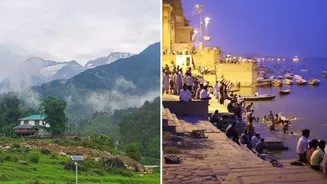
The latter part of the year, from October through January, witnesses a noticeable inclination towards spiritual and heritage-focused travel. Data indicates a rise in bookings for revered pilgrimage sites such as Varanasi and Haridwar, alongside historical cities like Agra. This surge underscores the significant and growing role of faith-based tourism in India's travel ecosystem. While religious tourism has always been a cornerstone of domestic travel, there's a discernible renewed interest, even among younger demographics, suggesting a broadening appeal and an evolving perception of these journeys.
Beaches, Hills & Global
Beyond the traditional seasons, a growing fondness for beach destinations and international short-haul trips is evident. Popular coastal spots like Phuket, Bali, Goa, and Krabi continue to attract a considerable number of Indian travelers, who are increasingly prioritizing leisure, safety, and authentic local experiences. Concurrently, hill stations like Shimla, Manali, Mussoorie, Ooty, Coorg, Munnar, and Leh maintain their status as perennial favorites, especially during warmer periods, offering sought-after cooler retreats. This dual focus on both beach relaxation and mountain tranquility reflects a diverse set of vacation preferences.
Generational Travel Tastes
Distinct patterns emerge when examining travel preferences across different age groups. Younger travelers, particularly Gen Z, are increasingly drawn to destinations offering deep cultural and spiritual immersion, with Varanasi, Rishikesh, and Tirupati being prime examples. These locations provide not only historical significance but also visually rich experiences that appeal to this demographic. Millennials, on the other hand, tend to favor more established spiritual circuits like Shirdi, Haridwar, Amritsar, and Velankanni, often blending faith-based journeys with family-oriented travel, showcasing a nuanced approach to pilgrimage and leisure.
Short Trips, Big Impact
A significant trend shaping the contemporary travel landscape is the burgeoning popularity of short trips and long-weekend getaways. Instead of planning extensive annual vacations, a growing number of Indians are opting for more frequent, shorter breaks. This approach allows for greater flexibility, fitting seamlessly into busy work schedules and evolving hybrid lifestyles. Consequently, this trend fuels consistent demand across a broad spectrum of destinations, encompassing beaches, hill stations, pilgrimage sites, and cultural hubs, indicating a shift towards more spontaneous and experience-driven travel planning.