

Frilly Lampshade Faux Pas
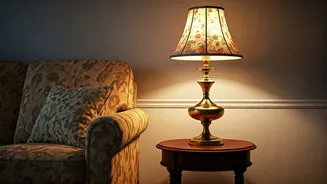
The humble lampshade can be a surprising indicator of a room's age, according to interior designer Lisa Simopoulos. Styles popular in the 1980s, characterized
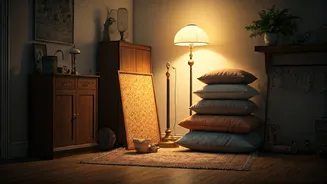
by their frilly and pleated designs, are now seen as decidedly outmoded. In contrast, contemporary design favors cleaner, more minimalist silhouettes. Simopoulos emphasizes that overlooking lampshades, even when undertaking a significant room overhaul, can undermine the entire updated aesthetic, leaving a discordant impression. A fresh update to lighting fixtures and their shades can significantly elevate the perceived modernity of a living area, proving that even small details hold substantial design power.
Outdated Fabric Choices
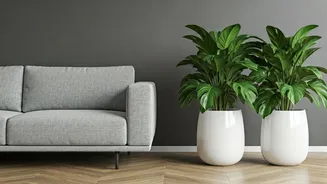
The textiles and color palettes within your living room are strong indicators of its design era. Simopoulos explains that distinct textures and hues are associated with different periods. Modern interiors typically embrace natural materials like linen and bouclé, often in soft, neutral shades. Conversely, certain colors can instantly signal a specific decade; for instance, icy grays are strongly linked to the 2010s, while opulent heavy golds evoke the aesthetics of the 2000s. Choosing contemporary fabrics and a harmonious neutral color scheme is key to achieving a timeless and current look that avoids falling into specific era traps.
Bulky Entertainment Units
The evolution of technology has profoundly influenced how we integrate entertainment systems into our homes. Designer Jody Jones points out that a prominent, oversized entertainment center is an immediate red flag signaling an outdated living room. Unlike past approaches where these units dominated the space, current trends favor seamless integration. Jones advocates for designs where the TV and related media components are incorporated subtly, blending harmoniously with the room's overall decor rather than serving as a conspicuous focal point. Opting for sleeker, built-in solutions or minimalist media consoles is essential for a modern appearance.
Excessively Matched Decor
The idea of purchasing entire furniture sets for a cohesive look is now considered passé. Jones advises against rigidly matching every piece of furniture, as this uniformity can make a living room appear dated. Instead, she champions a more curated approach, encouraging the incorporation of items from various sources and utilizing a diverse range of materials. Introducing at least one vintage piece, along with a mix of different fabrics and textures, helps create a layered, dynamic, and enduringly stylish atmosphere that feels more personal and thoughtfully assembled.
Wall-to-Wall Carpeting
While area rugs can add warmth and texture, wall-to-wall carpeting in the living room is a feature that designers immediately recognize as out of vogue. Jones highlights that contemporary flooring preferences lean towards hardwood, engineered wood, or luxury vinyl. These materials offer a cleaner, more sophisticated foundation for the room. Although carpeting might offer comfort, its pervasive use in living areas is no longer the contemporary standard. Embracing hard surface flooring, complemented by strategically placed area rugs, contributes significantly to a more modern and updated living room design.
Monolithic Accessory Collections
A living room's ability to evolve reflects its current design. Tracy Morris notes that an abundance of mass-produced art, identical throw pillows, and accessories all curated from a single, uninspired source suggest a lack of recent updates. A well-designed space should showcase a gradual accumulation of pieces, reflecting personal style and the passage of time. When the subtle layers of texture, the choice of lighting, and the sense of proportion cease to be refined, it becomes evident. Regular, thoughtful additions and adjustments are crucial to maintaining a living room's fresh and relevant appearance.
Uninspired Lighting Schemes
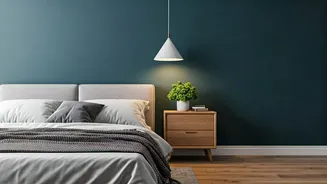
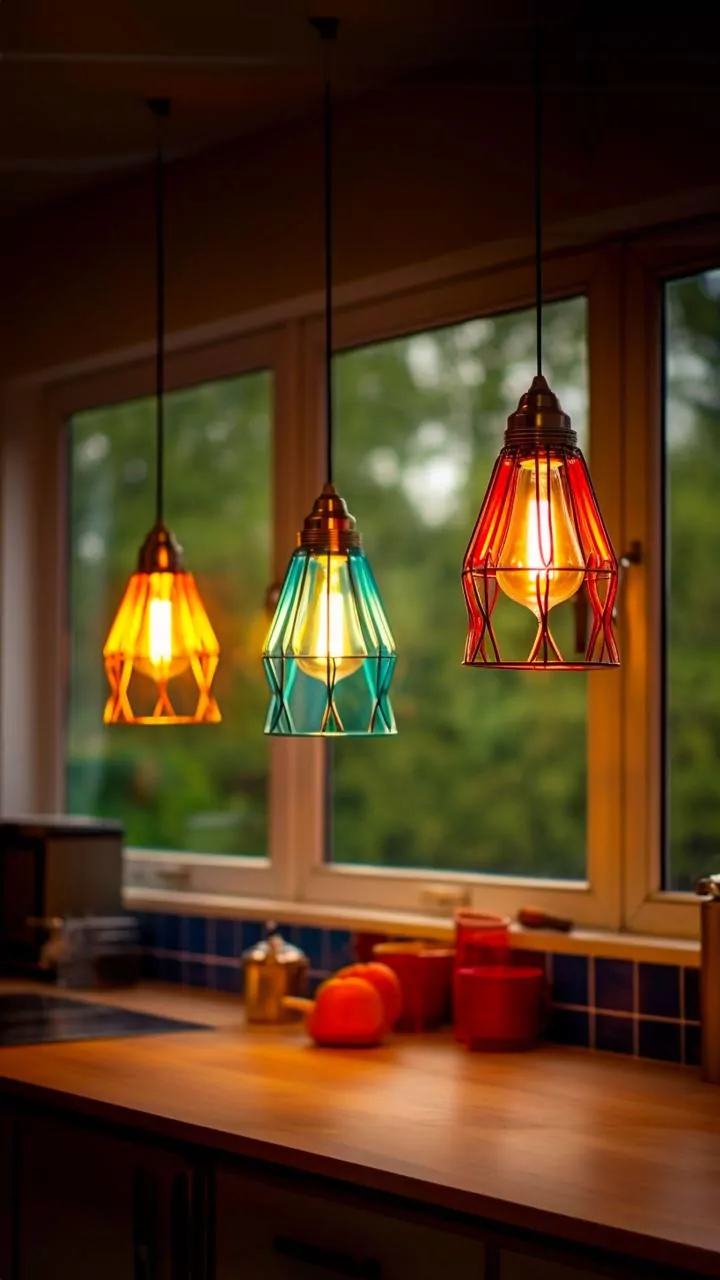
The ambient light and the fixtures themselves can serve as subtle time markers for a living room's design. Simopoulos points out that the color temperature of light, along with the finish of hardware, plays a crucial role. The prevalence of cool white lighting and brushed nickel finishes was characteristic of the 2010s. Modern design trends, however, favor warmer, more natural-looking light. Aged brass and mixed metal finishes are currently the preferred choices for lighting fixtures, contributing to a cozier and more sophisticated atmosphere that feels decidedly contemporary.