


The Hidden Dangers
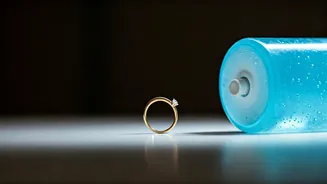
The widespread adoption of hand sanitiser, a crucial tool for germ prevention since the pandemic, carries an unintended consequence for our beloved adornments.
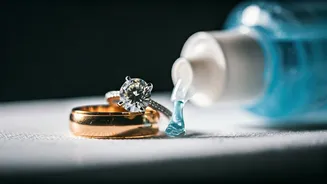
While invaluable for maintaining hygiene when soap and water aren't available, the very ingredients that make sanitisers effective killers of viruses and bacteria can, over time, wreak havoc on the delicate materials of our rings. The high concentrations of alcohol, often ranging from 60% to 95%, coupled with other chemicals like hydrogen peroxide and glycerin, are not benign to precious metals and gemstones. Experts highlight that repeated, rather than occasional, exposure to these formulations can lead to more than just a superficial dullness; it can compromise the structural integrity of your jewellery, a fact often overlooked by users diligently sanitising multiple times a day. This gradual degradation affects both the aesthetic appeal and the longevity of your rings.
Metal Degradation Explained
The high alcohol content prevalent in hand sanitisers acts as a harsh agent on various metals used in jewellery. For white gold and platinum pieces, frequent contact can cause them to lose their lustrous sheen, appearing dull and discoloured over time. Rings often treated with rhodium plating, a common technique to enhance the brilliance of white gold, are particularly susceptible. The sanitiser accelerates the erosion of this protective layer, revealing a less desirable yellow or brassy undertone beneath, a process that can occur significantly sooner than natural wear would dictate. Even yellow gold, while somewhat more resilient, is not entirely immune; the chemical components can lead to brittleness or leave behind a stubborn film that mars its appearance. Scientific findings corroborate these observations, indicating that consistent exposure to alcohol-based formulas degrades metal surfaces and weakens microscopic structures, especially in alloys with surface coatings, thereby hastening the dulling and potential structural weakening.
Gemstone Vulnerabilities
While diamonds possess remarkable hardness, they are not entirely impervious to the effects of chemical exposure from hand sanitisers. Residue from these products can accumulate in the intricate settings surrounding the stones, forming a film that diminishes their natural sparkle and brilliance. A more significant concern arises for porous and organic gemstones such as pearls, opals, turquoise, and even emeralds. These materials are inherently more susceptible to dehydration and structural weakening when repeatedly exposed to alcohol. This can result in surface dulling, discolouration, and in severe cases, cracking or significant damage. The perceived loss of a diamond's fire is often not due to the stone itself but rather a build-up of sanitiser residue, which can be remedied with professional cleaning, though proactive prevention remains the superior strategy for all types of gemstones.
Securing Your Settings
One of the most alarming effects of consistent hand sanitiser use on rings is the potential weakening of the metal components that secure gemstones. The repeated exposure to alcohol can render the prongs and bezels, which are designed to hold precious stones in place, brittle and less resilient. This compromised structural integrity increases the risk of mechanical failure, where the settings might loosen or even fail altogether, leading to the heartbreaking loss of a stone. This phenomenon is particularly concerning for intricate pieces and heirloom jewellery where the sentimental value is immense. Experts warn that the fine structural elements and any adhesives or coatings used in the setting can be affected, elevating the possibility of losing a cherished gem due to an unforeseen failure, a consequence that could have been averted with mindful hygiene practices.
Protective Strategies
Fortunately, safeguarding your jewellery from the adverse effects of hand sanitiser doesn't require abandoning hygiene. The most straightforward approach is to remove your rings before applying sanitiser, storing them in a small pouch or a designated safe spot at home, a simple action that can extend the life of your rings significantly. Should your jewellery accidentally come into contact with sanitiser, rinsing it immediately with lukewarm water can help minimise chemical exposure and prevent damage. When selecting sanitisers, opting for those with added moisturisers or a lower alcohol concentration (around 60-70%) can be gentler. Furthermore, scheduling professional cleanings for your jewellery every six months is advisable; this not only removes any accumulated residue but also allows a jeweller to inspect the settings for early signs of wear or weakness. Finally, whenever feasible, washing your hands with soap and water is a highly effective and much gentler alternative for both your skin and your precious metals and stones.