


Decoding Dairy Delights
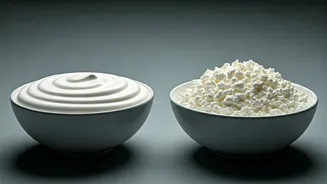
Many people wonder about the difference between yogurt and curd, as they often appear similar. While both are fermented milk products, the key distinctions
lie in their production processes and the specific bacterial strains employed during fermentation. Yogurt, often lauded for its health benefits and popularity as a diet food, uses specific starter cultures, typically including Lactobacillus bulgaricus and Streptococcus thermophilus, to achieve its characteristic texture and tangy flavor. This controlled fermentation process leads to a product with a consistent taste and nutritional profile, making it a favored choice in many cuisines worldwide. The growing awareness of gut health has further propelled yogurt into the spotlight as a beneficial dietary component.
The Science of Fermentation
The fundamental difference between yogurt and curd hinges on the type of microorganisms responsible for the fermentation of milk. Curd, a traditional Indian dairy product, is typically made by adding a small amount of existing curd (or a culture starter) to warm milk, allowing natural lactic acid bacteria to ferment it. This process often results in a more varied and sometimes unpredictable flavor profile, which can be quite sour depending on the fermentation time and temperature. Yogurt, on the other hand, is manufactured using specific bacterial cultures, most commonly *Lactobacillus bulgaricus* and *Streptococcus thermophilus*. These cultures are introduced under controlled conditions to ensure a consistent outcome. This deliberate cultivation of specific bacteria is what gives yogurt its distinct texture and taste, and it's also linked to many of its perceived health benefits, such as improved digestion.
Nutritional Powerhouses
Yogurt, particularly varieties like Greek yogurt, offers a significant protein boost, making it an excellent post-workout recovery food. While a standard bowl of curd might contain around 3-4 grams of protein, the same quantity of Greek yogurt can provide approximately 8-10 grams. This increased protein content helps in muscle repair and reduces post-exercise soreness. Beyond muscle recovery, daily consumption of yogurt is linked to enhanced immune function. It supports the activity of T-cells, crucial components of the body's defense system. Furthermore, yogurt can be a beneficial alternative for individuals with lactose intolerance. The fermentation process converts lactose into lactic acid, making it easier to digest. This makes yogurt a viable dairy option for those who typically struggle with dairy products.
Making Yogurt at Home
While commercial yogurt is widely available, making it at home is also an option, though some experts believe true yogurt is an industrial product. To make your own, begin by heating milk to its boiling point and then allowing it to cool to a lukewarm temperature, around 100-105°F (37-40°C), where a thin skin might form. Gently stir in two tablespoons of existing yogurt (either homemade or store-bought) into the lukewarm milk, being careful not to disturb the skin. Next, incubate the mixture in a warm environment for at least 8 hours, or preferably overnight. Prolonged incubation can lead to a more sour taste. After coagulation, carefully drain any excess liquid and refrigerate the yogurt for at least 4 hours before consuming. It's best to use within 4-5 days, and remember to save a small portion to start your next batch.