





Conversations Spark Growth
Toddlerhood is a magical time for language acquisition, where budding communicators move from babbling to forming words and sentences. The foundation for this
incredible progress isn't found in formal lessons, but rather in the rich tapestry of everyday interactions. Engaging in simple chats during playtime, mealtimes, or even during mundane chores exposes little ones to a world of words and expressions. These consistent exchanges are crucial for them to grasp how language functions and how it can be employed to articulate their needs, feelings, and budding curiosities. Through these seemingly small, yet significant, exchanges, toddlers steadily build their vocabulary, hone their listening abilities, and cultivate a growing confidence in their capacity to communicate effectively.
Daily Dialogue Benefits
One of the most effective avenues for a child's language development is simply by immersing them in the conversations around them. When caregivers chat about their daily activities—whether it's preparing a meal, tidying up the house, or discussing morning routines—children absorb and process this linguistic input. Simple phrases like, 'Time to wash your hands!' or 'Look at the big red ball!' serve as invaluable learning opportunities. Even if toddlers aren't yet able to respond verbally, they are actively processing these sounds and associating them with meanings, continuously building their understanding and skills.
Storytelling Power
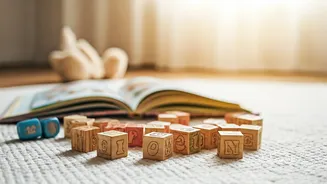
The magic of reading picture books and weaving simple narratives offers a significant boost to a toddler's linguistic journey. When a parent or caregiver engages with a child by pointing to images, posing questions about the characters, or revisiting a beloved story, the child becomes increasingly familiar with new words and sentence structures. Toddlers often delight in hearing the same story multiple times, which aids in word retention and understanding grammatical patterns. Beyond language, storytelling nurtures their imagination and curiosity, forging a positive and lasting connection with the world of words and communication.
Play and Exploration
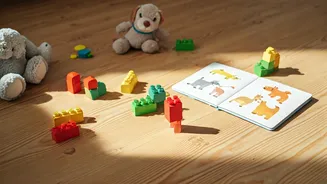
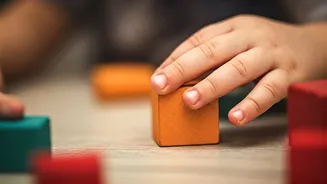
Playtime is a goldmine for language development. As you engage in activities like building with blocks or solving puzzles with your toddler, narrate their actions. Describing what they're doing—for instance, 'The car is going so fast!' or 'Let's stack these blue blocks!'—helps them associate spoken words with physical actions. This process is essential for them to grasp action-oriented vocabulary. Furthermore, playing together provides opportunities to teach them how to respond to gestures, sounds, or even simple words, fostering a dynamic and responsive communication exchange.
Repetition Builds Mastery
Toddlers thrive on repetition, which is a cornerstone of their learning process. Hearing the same words and phrases multiple times allows them to internalize and eventually use this new vocabulary. Daily routines, such as greeting family members, enjoying mealtimes, or preparing for sleep, are perfect opportunities for natural repetition. These recurring events help children understand the meaning behind words and build the confidence to attempt speaking them. This consistent exposure through familiar contexts makes learning new words a natural and seamless part of their day.
Encouragement Fuels Confidence
Positive reinforcement is a critical element in nurturing a toddler's willingness to express themselves. When children feel that their attempts at communication are valued and met with interest, they are naturally motivated to continue exploring language. Even if their speech isn't perfectly clear, a supportive reaction—like a warm smile, repeating what they've said correctly, or asking follow-up questions—instills confidence. This positive feedback loop encourages toddlers to keep experimenting with words and discover the joy of being understood and heard.