
Lentils and Legumes Powerhouse
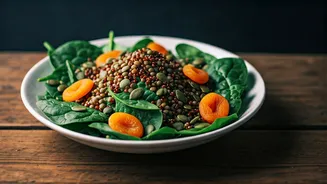
For vegetarians seeking to naturally elevate their iron levels, embracing lentils and legumes is a remarkably effective strategy. These versatile food
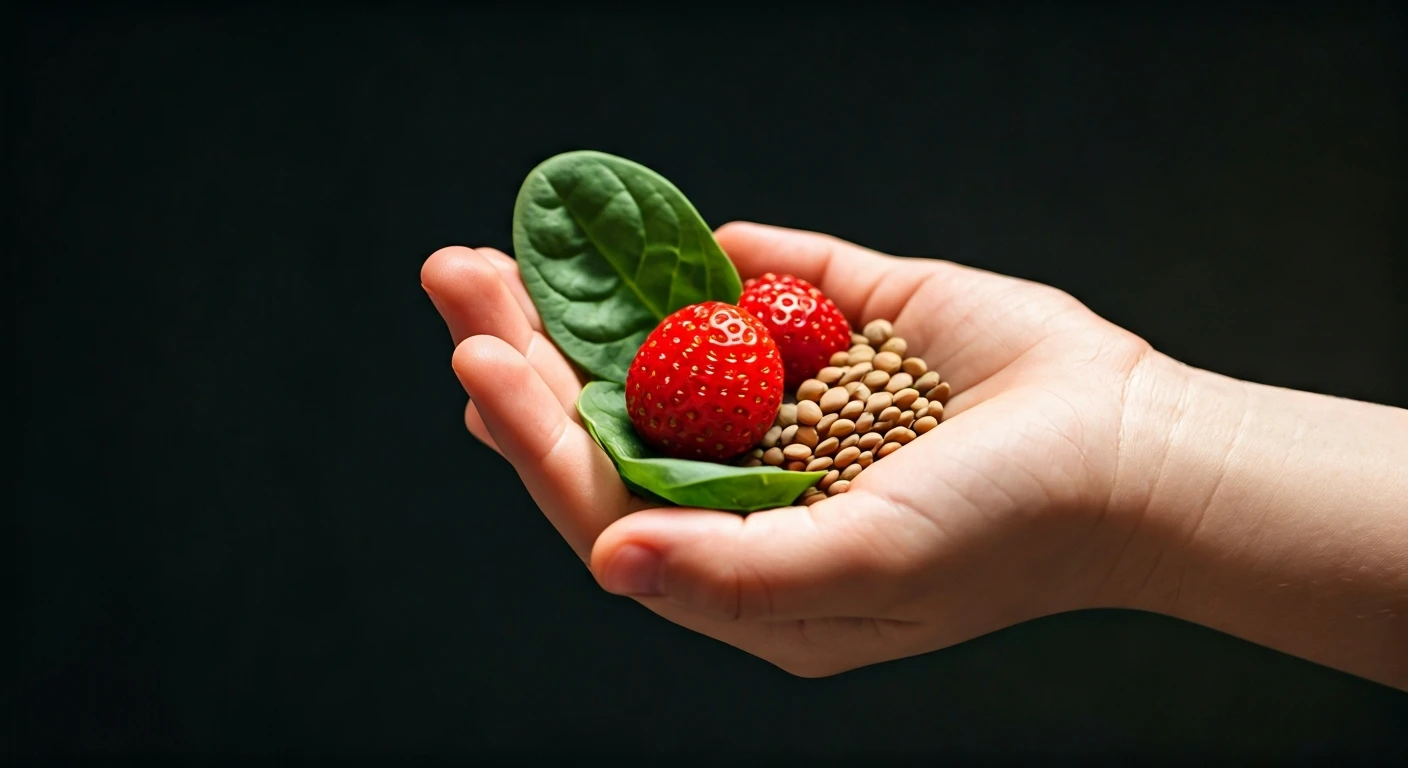
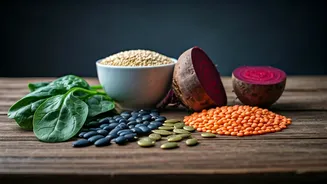
items, including masoor dal, moong dal, chickpeas, and kidney beans, stand out as readily accessible and budget-friendly plant-based iron sources. Beyond their significant iron content, they are also brimming with essential protein and fiber, making them a cornerstone for a nourishing diet. Incorporating a variety of these pulses into your daily meals can significantly contribute to maintaining healthy iron reserves without requiring drastic dietary overhauls. For an enhanced nutritional experience and a more robust iron intake, consider combining two or more types of lentils in a single preparation, creating a more complex and beneficial flavor profile while maximizing nutrient synergy.
Vitamin C Absorption Aid
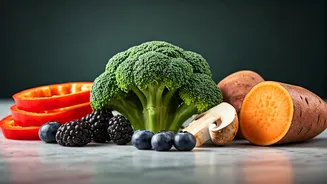
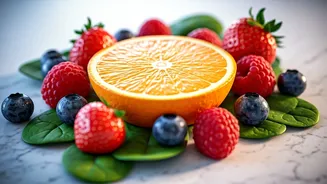
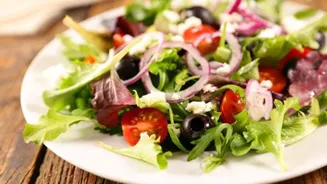
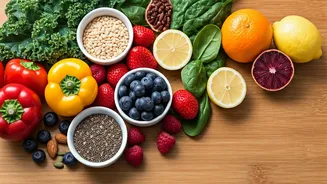
Maximizing the absorption of plant-based iron is greatly amplified by pairing iron-rich foods with sources of Vitamin C. This synergistic relationship plays a crucial role in ensuring your body can efficiently utilize the iron consumed. Simple additions like squeezing fresh lemon juice over your lentil dishes, incorporating ripe tomatoes into your curries, or enjoying fruits such as oranges or guavas alongside your meals can dramatically boost iron uptake. To further enhance this effect, consider preparing a vibrant side salad dressed with a zesty lemon vinaigrette. This conscious pairing strategy transforms your meals into highly effective iron-delivery systems, helping to combat potential deficiencies with delicious and refreshing additions.
Greens for Iron Gains
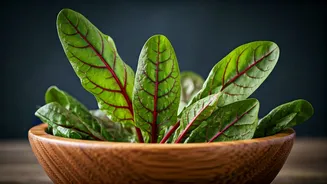
Dark, leafy green vegetables such as spinach and fenugreek leaves are nutritional powerhouses, offering not only substantial amounts of iron but also a spectrum of other vital micronutrients. Their integration into a vegetarian diet is often seamless, as they are commonly featured in various culinary preparations. Whether incorporated as fillings in savory dishes, transformed into simple yet flavorful curries, or lightly sautéed to preserve their nutritional integrity and enhance their taste, these greens are an excellent addition to your daily iron intake. Beyond iron, they contribute a wealth of vitamins and minerals, enriching your overall diet and supporting general well-being. Lightly steaming or sautéing these greens is recommended to best retain their beneficial compounds and develop a more appealing texture and flavor.
Nuts and Seeds Boost
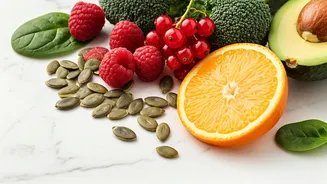
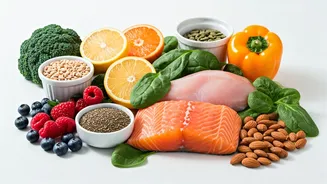
While often overlooked in discussions about iron-rich foods, nuts and seeds present an excellent opportunity for vegetarians to increase their mineral intake. Varieties like almonds, pumpkin seeds, sesame seeds, and flaxseeds are not only commendable for their iron content but also provide beneficial healthy fats and protein. Consuming these as a convenient snack or incorporating them into your regular meals offers a dual advantage: boosting iron levels while simultaneously enhancing your intake of essential nutrients. Their ready-to-eat nature requires minimal preparation, making them an effortlessly integrated part of any diet. Roasting seeds beforehand and storing them in an airtight container makes them an even more accessible and enjoyable iron-boosting option.
Fortified Food Advantages
Iron-fortified foods offer a supplemental avenue for vegetarians struggling to meet their iron requirements through natural dietary sources alone. Common examples include breakfast cereals, certain types of flour, and milk, which have been enriched with additional iron. These products can provide a valuable extra boost of nutrients without necessitating significant changes to established eating habits. While they should not be the sole reliance for iron intake, fortified foods serve as a beneficial adjunct to a balanced diet, ensuring a more consistent supply of this critical mineral. Carefully checking food labels is crucial to identify products that have been enhanced with iron and other beneficial nutrients, allowing for informed choices in your grocery shopping.
Timing is Key
The timing of consuming beverages like tea and coffee can significantly impact your body's ability to absorb iron, even from iron-rich meals. Both tea and coffee contain compounds, namely tannins and caffeine, which can hinder the absorption of non-heme iron, the type found predominantly in plant-based foods. This means that despite consuming iron-rich foods, your body might not be able to utilize the iron as effectively if these beverages are consumed immediately after eating. To optimize iron absorption, it is advisable to wait for at least 30 to 60 minutes after a meal before enjoying your tea or coffee. Alternatively, opting for warm water or a vitamin C-rich beverage, such as fresh citrus juice, after your meal can support iron uptake without interference.