





The Raw Powerhouse
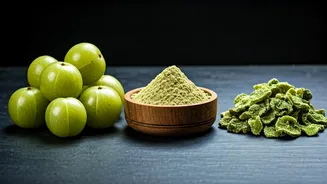
Consuming amla in its raw, fresh state ensures you receive the complete spectrum of its natural goodness. This unadulterated form boasts the highest concentration
of Vitamin C, a potent antioxidant crucial for skin health and a robust immune system. Its natural fiber content also plays a significant role in promoting smooth digestion and preventing constipation. For those concerned about hair health, raw amla's antioxidants are believed to stimulate hair growth and reduce shedding. Furthermore, it contributes positively to cardiovascular well-being by helping to manage cholesterol levels. However, its intense sourness can be a challenge for some palates, and its perishable nature requires careful storage, as it spoils quickly.
Amla Powder: Convenience and Nutrients
Amla powder, derived from carefully dried and ground fresh amla, presents a practical and long-lasting alternative. While the drying process does lead to a slight reduction in Vitamin C compared to its fresh counterpart, it remarkably retains a substantial amount of its beneficial antioxidants and minerals. This form is widely favored for its extended shelf life and versatility, easily blending into beverages like smoothies, water, or honey-infused concoctions. Traditionally recognized in Ayurveda, amla powder is often utilized to support metabolic function, potentially aiding in weight management. It also offers advantages for both skin and hair when consumed internally or applied externally. Additionally, it's understood to help alkalize the body, promoting a balanced pH level and supporting liver detoxification.
Dried Amla: Digestion and Snacking
Dried amla is prepared by dehydrating fresh fruit segments. While some commercially available dried amla may be sweetened to enhance flavor, opting for plain, sun-dried varieties is generally recommended for maximum health benefits. This form is particularly noted for its digestive properties, with its fiber content remaining intact to support gut health effectively. Dried amla can also be beneficial in boosting the body's absorption of iron, which is vital for preventing anemia and promoting healthy red blood cell production. It serves as a convenient and palatable snack, offering a simple way to incorporate amla's advantages into one's daily intake. However, it's important to be mindful of added sugars in sweetened versions, as these can diminish the fruit's overall healthfulness. The drying process itself leads to a significant reduction in Vitamin C compared to raw amla.
Deciding the Healthiest Choice
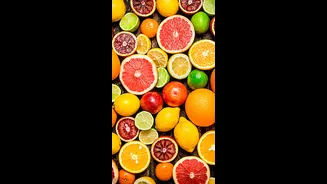
When prioritizing Vitamin C and antioxidant content, raw amla stands out as the premier choice. For those seeking a convenient and stable option for ongoing health benefits, amla powder is an excellent substitute. Unsweetened dried amla, on the other hand, excels as a digestive aid and a healthy snacking alternative. It's crucial to avoid sweetened dried amla due to the added sugars. Fresh amla contains an impressive 600-700 mg of Vitamin C per 100 grams, significantly more than citrus fruits, bolstering immunity and supporting digestion. While fresh amla has a very short shelf life, drying and powdering extend its usability but diminish its Vitamin C. Nevertheless, both processed forms retain valuable properties for metabolism, skin, and hair. Amla's alkaline nature also aids in liver detoxification and pH balance. Traditional preparations like alkaline water infusions and fermented Kanji further highlight amla's versatility in promoting health.