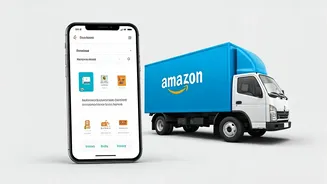

Growth Beyond Platforms
The conventional wisdom has always been that platforms like Flipkart and Amazon held the keys to explosive growth. They offered vast customer bases and established
infrastructure. However, a developing trend reveals a compelling alternative: online brands are increasingly witnessing amplified expansion through their dedicated channels, along with their apps. This indicates a strategic shift where brands are proactively engaging with customers directly, taking control of their customer experiences and building stronger relationships. This strategy grants them more control over pricing, branding, and customer data, driving more customer loyalty and, ultimately, higher revenue.
Direct Customer Engagement
One of the critical factors driving this trend is the importance of direct customer engagement. Brands that operate their websites and apps can communicate directly with customers, gather valuable feedback, and tailor their offerings. By managing their digital storefronts, brands cultivate a more personalized shopping experience. This helps create brand loyalty and encourages repeat purchases, something that is challenging to achieve when heavily reliant on third-party platforms. Platforms sometimes lack the capacity for brands to build genuine relationships with customers, limiting data acquisition and preventing tailored campaigns.
Data and Analytics
Another major benefit for brands using their own channels is access to extensive data analytics. They can use the data to understand consumer behavior and market trends more precisely. Having this data allows brands to customize their marketing and advertising campaigns, and develop more effective strategies. These strategies can provide insights into customer preferences, purchase patterns, and customer acquisition costs. Furthermore, it allows them to quickly adapt to changing market conditions. This is often difficult to accomplish when using a third-party platform because brands can only access limited data.
Advantages of Apps
Mobile apps play a significant role in this shift. They offer a more streamlined shopping experience and have the potential to boost customer loyalty. By utilizing push notifications, exclusive deals, and personalized recommendations, brands can engage consumers and encourage frequent usage. Apps can also be integrated with loyalty programs and customer service features. This builds a robust ecosystem that incentivizes and rewards returning customers. Apps also provide a level of customization, which enhances a customer's online experience, therefore generating a better user experience that results in improved customer retention.
Challenges and Considerations
Despite the benefits, brands must also address specific challenges that come with this approach. Building and maintaining an independent online presence needs significant investment in technology, marketing, and customer support. It requires an integrated approach that spans multiple aspects. Brands have to actively market their websites and apps to attract customers, especially amidst fierce competition. They also need to manage logistics, fulfillment, and customer service independently. Although it comes with challenges, establishing these systems is crucial for sustained growth, brand control, and long-term customer relationships.
Future of E-commerce
As more brands focus on their channels, the e-commerce landscape is changing, and platforms may need to adapt. It is likely that platforms will start to offer more sophisticated tools and services to help brands manage their online presence. This means more features for managing customer relationships and providing a better end-user experience. There could be greater emphasis on data analytics, enabling brands to gain a clearer understanding of consumer behaviors. The future points towards a hybrid model, where brands leverage both their own channels and established platforms to maximize their reach, customer engagement, and overall market presence.