





Smart Cylinder Storage
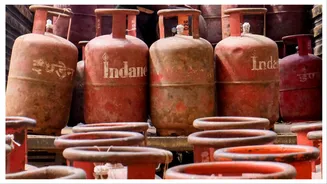
During the sweltering summer months across India, safeguarding your Liquefied Petroleum Gas (LPG) cylinder becomes paramount due to escalating temperatures.
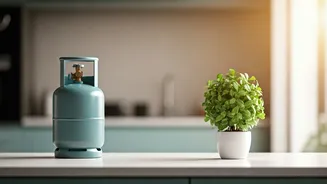
The intense heat can significantly elevate the internal pressure within these cylinders, thereby amplifying the likelihood of gas leaks, potential fire incidents, and in severe instances, dangerous explosions if safety protocols are overlooked. LPG, by its nature, is stored under substantial pressure, and elevated heat can render it unstable if not handled with the utmost care. Fortunately, most of these preventable accidents can be averted through straightforward precautions concerning where and how you store your cylinder. It is imperative to always position your cylinder in a cool, shaded environment that also boasts excellent ventilation. Direct exposure to sunlight is a major concern, as it can progressively increase internal pressure, rendering the cylinder unsafe over time. Therefore, avoid placing your cylinder near windows that receive direct sun, or in close proximity to heat-emitting appliances such as ovens, heaters, or other cooking equipment. If your cylinder is kept on a balcony, ensure this area is adequately shaded and well-ventilated. Critically, never store an LPG cylinder inside closed cupboards or any confined spaces that lack sufficient airflow.
Detecting Gas Leaks
The oppressive heat of summer can subtly weaken the rubber hoses and fittings connected to your LPG cylinder, creating a greater susceptibility to leaks. To counter this risk, safety experts strongly advocate for conducting routine weekly inspections of all hoses, regulators, and valves. A remarkably simple yet effective method for identifying any potential leaks involves applying a solution of soapy water to the joints of the cylinder and its associated fittings. If you observe the formation of bubbles, this is a clear indication that gas is escaping. In the event that you detect the distinct odour of gas, it is crucial to act swiftly and decisively. First and foremost, immediately turn off the regulator. Under no circumstances should you attempt to switch on lights or operate any electrical appliances, as even a small spark can have catastrophic consequences. Instead, ensure all doors and windows are opened wide to allow for maximum ventilation, facilitating the dissipation of the leaked gas. It is also vital to avoid any open flames or potential sources of ignition in the vicinity. Remember, even a minor spark can trigger a serious fire, making prompt and correct action absolutely essential.
Safe Distance Maintained
The distance maintained between an LPG cylinder and any source of ignition is far more critical than many individuals realize, especially during the hot summer months. Experts consistently recommend that cylinders should be positioned a minimum of 5 feet away from stoves, open flames, and electrical outlets. This buffer zone is essential for preventing accidental ignition. Furthermore, it is imperative to never store any flammable materials near your cooking area. Items such as curtains, which are often placed close to stoves, can easily catch heat and become a significant fire hazard. Maintaining this safe distance not only applies to the cylinder itself but also to the surrounding environment. The principle of keeping heat sources and flammable items away from the cooking zone is a fundamental safety measure that significantly reduces the risk of fire outbreaks in the kitchen.
Ventilation is Key
Storing LPG cylinders in enclosed or poorly ventilated spaces poses a significant and often underestimated danger. This is primarily because LPG is denser than air. Consequently, if a leak occurs, the gas tends to descend and accumulate near the floor. In confined rooms or areas with limited airflow, this can create a dangerous, hidden pocket of gas that may go unnoticed for extended periods. This unnoticed accumulation significantly heightens the risk of accidental ignition. Therefore, it is absolutely essential to always ensure that there is adequate and consistent airflow around both the LPG cylinder and the entire stove area. Proper ventilation is not just a recommendation; it is a critical safety requirement that helps to prevent the dangerous build-up of LPG and mitigate potential fire hazards.
Proper Shutdown Procedure
A common and potentially dangerous mistake made by many users is to only turn off the stove knob after cooking, neglecting the main cylinder valve. Safety experts consistently emphasize that this partial shutdown is insufficient. The correct and safest method for switching off your LPG cylinder after cooking involves a two-step process. First, ensure the stove burner is completely turned off. Following this, the next crucial step is to close the main valve on the cylinder itself. For enhanced safety, particularly at night, it is ideally recommended to also switch off the regulator. This comprehensive procedure ensures that no residual gas remains trapped within the pipeline system, thereby significantly reducing the chances of leakage. Additionally, it is vital to always keep children away from the cooking area and the LPG setup at all times, as their curiosity can lead to accidental mishandling.