Initial Body Adjustments
When individuals stop consuming ghee and oil, their digestive system undergoes an initial period of adjustment. Ghee, a clarified butter, and oil play
a crucial role in the digestion and absorption of fat-soluble vitamins like A, D, E, and K. Suddenly removing these from the diet can lead to changes in how the body processes these vitamins. Furthermore, the absence of fats might initially influence bowel movements. Some may experience constipation due to a lack of dietary fats that lubricate the digestive tract and stimulate peristalsis, the muscle contractions that move food through the intestines. Others might observe more frequent or loose stools as the gut adapts to the changes in food composition. This adjustment period varies from person to person, contingent on their existing dietary patterns and overall health profile.
Energy Level Shifts
Energy levels can fluctuate significantly when ghee and oil are removed from the diet. Both ghee and oil are calorie-dense and contribute to the body’s overall energy supply. Therefore, a sudden cut in their intake can lead to fatigue, especially if not adequately compensated by other sources of energy such as carbohydrates or proteins. Fats also help in the slow release of energy, which is crucial for maintaining stable blood sugar levels. Without this steady release, individuals might experience sharper energy peaks and troughs. The brain, which relies heavily on glucose for fuel, might also suffer from insufficient fuel if dietary fats aren't balanced with other sources of energy. Individuals who are very active or who perform physically demanding activities might feel the effects more acutely.
Impact on Skin Health
The removal of ghee and oil can influence skin health. Fats contribute significantly to maintaining skin hydration and elasticity. Ghee and oils provide essential fatty acids that are critical for healthy skin cell membranes. Without these nutrients, the skin may become dry, flaky, and less resilient. Essential fatty acids also play a role in reducing inflammation, a factor that affects various skin conditions. Individuals who cease consuming these fats might notice an increase in skin sensitivity and the potential for conditions like eczema to flare up. However, these effects are not universal, and some individuals might not experience any noticeable changes, while others might notice improvements if their previous diet was excessively high in unhealthy fats that contributed to skin problems.
Vitamin Absorption Concerns
A significant impact of removing ghee and oil is the potential disruption to the absorption of fat-soluble vitamins. These vitamins, crucial for various bodily functions, require dietary fats for effective absorption in the small intestine. The absence of ghee and oil can hinder the absorption of vitamins A, D, E, and K, which are vital for vision, bone health, immune function, and blood clotting. A deficiency in vitamin A, for example, can lead to vision problems and immune system weaknesses. Vitamin D deficiency is associated with bone health issues and an increased risk of chronic diseases. Without adequate fat intake, individuals might experience symptoms linked to these vitamin deficiencies. It is often recommended to supplement with these vitamins if dietary fats are strictly limited or eliminated. Consulting a healthcare professional is advisable to monitor vitamin levels and ensure that any deficiencies are addressed.
Cholesterol and Heart Health
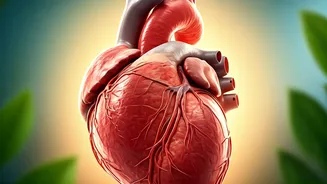
The effects on cholesterol levels and heart health can vary greatly when ghee and oil are removed. Some individuals may experience a decrease in overall cholesterol levels, especially if their previous diet included high levels of saturated fats from these sources. However, the impact also depends on what replaces the fats in the diet. If healthier fats, such as those found in avocados or nuts, are incorporated, it could improve the cholesterol profile. Conversely, if refined carbohydrates and sugars take the place of ghee and oil, the potential benefits may not be realized. The effect on heart health ultimately depends on multiple dietary and lifestyle factors, including physical activity, overall diet quality, and genetics. It’s important to note that removing ghee and oil isn't always directly linked to improved heart health; it depends on how the overall diet is balanced and how the body responds individually.
Alternative Dietary Strategies
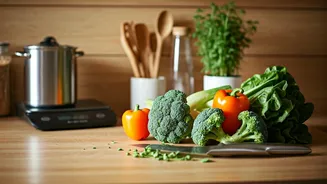
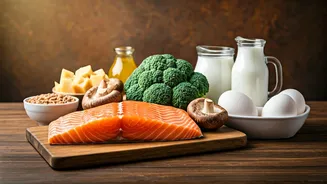
When deciding to eliminate ghee and oil, it's vital to focus on alternative dietary strategies to maintain a healthy and balanced diet. Prioritize incorporating other sources of fats like avocados, nuts, seeds, and fatty fish (like salmon), which provide essential fatty acids. Also, focus on a diet rich in fruits, vegetables, and lean proteins to get all necessary nutrients. If you are very active, make sure you're getting adequate amounts of carbohydrates for energy. Furthermore, mindful cooking practices are important. Instead of relying on oil for cooking, experiment with methods such as baking, steaming, grilling, or air frying. Seasoning foods with herbs, spices, and lemon juice can enhance the flavor, making the meal enjoyable without necessarily needing added fats. Consulting a nutritionist or dietician is a valuable step to help create an individualized dietary plan.