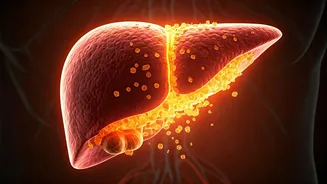








The Hidden Dangers
Street food, a beloved culinary experience for many, carries a significant, often overlooked, health risk. According to a prominent gastroenterologist,
neglecting proper hygiene in the preparation and handling of street food can pave the way for serious health ailments, with acute liver failure being a particularly concerning outcome. The concern stems from the potential presence of harmful bacteria, viruses, and toxins in food that hasn't been prepared under stringent sanitary conditions. Contaminated water used for washing ingredients or for making beverages, unwashed utensils, and cross-contamination from raw to cooked food are common culprits. Even a single instance of consuming food contaminated with certain pathogens can trigger a cascade of severe health issues, especially for individuals with pre-existing liver conditions. The liver, our body's primary detoxification organ, is highly susceptible to damage from toxins and infections, and compromised hygiene practices in food stalls can directly assault its integrity, potentially leading to rapid and life-threatening failure.
Liver Failure Explained
Acute liver failure is a devastating medical emergency that occurs when the liver suddenly stops functioning. This rapid decline in liver function, often within days or weeks, can be triggered by various factors, including viral infections like Hepatitis A, B, or E, exposure to toxins, and certain medications. In the context of street food, the risk primarily arises from consuming food or water contaminated with infectious agents. For instance, Hepatitis E, a common cause of liver inflammation, is frequently waterborne and can be contracted by eating raw or undercooked food contaminated with the virus. When the liver is severely damaged, it can no longer perform its essential tasks, such as filtering toxins from the blood, producing bile for digestion, and synthesizing vital proteins. This leads to a buildup of toxins in the bloodstream, causing a range of symptoms from jaundice and abdominal swelling to confusion and coma. Prompt medical intervention is crucial for survival, and in severe cases, a liver transplant may be the only option.
Safeguarding Your Health
While the warnings are serious, enjoying street food doesn't have to mean compromising your health. A key piece of advice from experts is to be observant about the hygiene practices of the food vendor. Look for stalls that appear clean, with staff who wash their hands regularly and use clean utensils. Opt for food that is cooked fresh and served hot, as high temperatures can kill harmful microorganisms. Be cautious with raw or undercooked items, especially seafood and meats. Similarly, be mindful of the cleanliness of the surrounding environment and the water used for drinks. Choosing vendors who use bottled water for beverages or ensuring that ice used in drinks is made from purified water can also mitigate risks. By exercising discernment and making informed choices, you can significantly reduce your exposure to foodborne illnesses and protect your liver's well-being while still savoring the vibrant flavors of street cuisine.