






Unconditional Love's Foundation
Children first grasp the essence of love not through grand gestures, but through the consistent warmth and security found at home. This steady affection,
demonstrated through presence and patience, teaches them that love isn't conditional on perfection. It establishes a fundamental belief that closeness is a source of comfort, not threat, laying a crucial emotional groundwork for all future relationships. This early experience with dependable affection becomes their internal compass for understanding intimacy and belonging, shaping how they perceive and seek love throughout their lives. It’s the quiet reassurance that they are inherently valued, a lesson far more profound than any academic achievement.
Navigating Life's Conflicts
The home environment is a crucial training ground for managing disagreements. Observing how adults navigate conflict—whether through respectful dialogue, calm resolution, or destructive outbursts—provides children with a powerful, practical education. They learn that tension doesn't have to fracture relationships and that even intense emotions can be expressed and managed constructively. This observation helps them develop skills in conflict resolution, empathy, and emotional regulation, teaching them that disagreements can be opportunities for understanding and growth, rather than solely sources of stress or animosity. It's about learning to weather storms together.
Embracing Duty Early
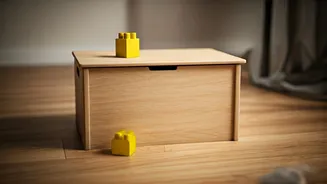
Home instills a vital understanding of responsibility that often precedes a child's feeling of full readiness. Simple tasks like tidying toys, assisting with chores, or considering the impact of their actions on others teach children that life requires effort and contribution. This early exposure to duty cultivates a sense of reliability, discipline, and respect for communal living. It fosters an awareness that being part of a family or community means actively participating and contributing to its well-being, a lesson that extends far beyond assigned homework and forms the bedrock of personal accountability.
Understanding Personal Space
Respecting boundaries is a critical life skill learned through observation and experience at home. Children learn what constitutes personal space and privacy not just by being told, but by witnessing adults model healthy limits and understanding that kindness doesn't equate to always agreeing or accommodating. This teaches them that love and boundaries can coexist, fostering an environment where individual needs and rights are recognized and honored. It cultivates an appreciation for personal autonomy and the importance of mutual respect, crucial for healthy interpersonal dynamics later in life.
Nurturing Compassion Daily
Empathy isn't a theoretical concept learned from textbooks; it's cultivated through daily acts of kindness and care observed and practiced at home. Witnessing parents attend to elders, comfort siblings, or assist neighbours, and being encouraged to consider their own actions' impact on others, builds a child's capacity for compassion. This constant exposure teaches them that they are not the sole focus of the world, fostering patience, emotional intelligence, and a genuine concern for the well-being of those around them. It’s about developing a heart that feels for others.
Resilience Through Setbacks
While school often focuses on achievements and performance metrics, home is where children learn to navigate disappointment and setbacks. Experiencing unfulfilled desires, broken promises, or challenging family situations, and witnessing adults handle these moments with composure and honesty, teaches resilience. Children learn that disappointment is a part of life, not a catastrophe, and that they can adapt, persist, and try again. This develops emotional fortitude and a practical approach to overcoming adversity, a fundamental skill for enduring life's inevitable challenges.
Inner Compass Development
Perhaps the most profound lesson from home is the formation of identity and character. The way children are spoken to, guided, and believed in shapes their inner voice and self-perception. Home becomes the crucible where core values are forged through subtle interactions, influencing how they treat themselves and others, especially under pressure. This internal compass guides their actions and reactions, preparing them not just for academic success, but for the complex realities of life itself, long after formal education concludes.