


Eclipse Timings Explained
On March 3, 2026, a truly captivating total lunar eclipse is set to unfold, offering a remarkable opportunity for skywatchers across India. The astronomical
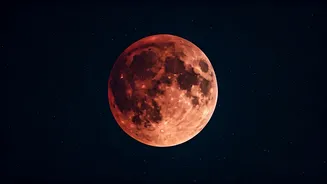
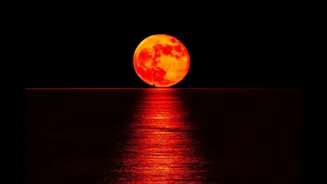
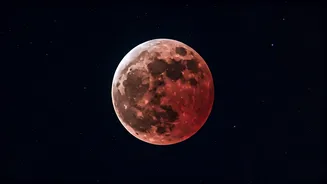
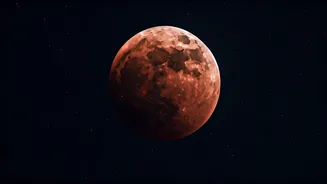
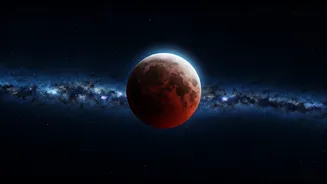
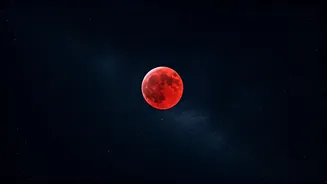
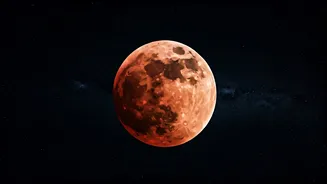
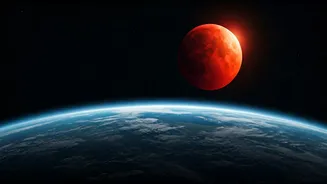
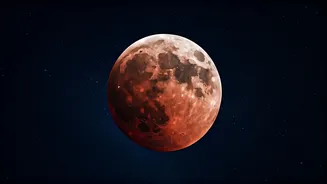
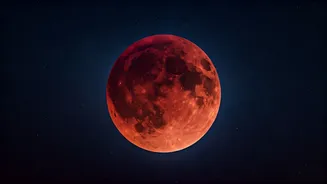
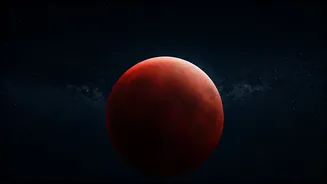
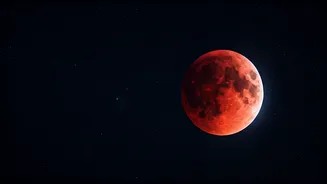
ballet begins with the penumbral phase, where the Moon starts to enter the Earth's fainter outer shadow, the penumbra. This initial stage, often subtle and difficult to perceive with the naked eye, commences around 11:51 AM IST. As the event progresses, the Moon will then enter the Earth's darker inner shadow, the umbra, marking the start of the partial lunar eclipse at approximately 12:48 PM IST. This is when the Earth's shadow will noticeably begin to cover the lunar disk, creating a striking visual. The pinnacle of the event, the total lunar eclipse, where the Moon is fully immersed in the umbra and takes on a distinct reddish hue, will begin at 01:45 PM IST. This 'blood moon' phase is the most dramatic part of the eclipse, captivating observers with its unique color. The total phase will last for a significant duration, concluding at 02:08 PM IST, before the Moon begins to exit the umbra, initiating the second partial eclipse phase at 03:05 PM IST. Finally, the entire eclipse concludes as the Moon leaves the penumbra at 04:02 PM IST, returning to its usual bright appearance.
City-wise Visibility Guide
For enthusiasts across India, the visibility of the March 3, 2026, total lunar eclipse will vary depending on their geographical location and local conditions. Cities in the western parts of the country, such as Mumbai, Ahmedabad, and Pune, are likely to have a slightly better vantage point for the total phase due to the eclipse's timing relative to sunset. However, the entire duration of the eclipse, from its penumbral start to its final exit, will be observable from most major metropolitan areas, including Delhi, Kolkata, Chennai, and Bengaluru, provided clear skies prevail. It is essential to check local sunrise and sunset times for March 3, 2026, as the partial and total phases will occur during daylight hours in India. This means the most dramatic 'blood moon' and its surrounding partial phases will be best observed during the evening and early night of March 3rd, especially towards the latter half of the eclipse. Regions closer to the west coast might experience slightly earlier twilight, potentially allowing for viewing of more of the later stages. Consulting local astronomical societies or weather forecasts closer to the date is highly recommended for precise visibility windows in your specific area.
Optimal Viewing Strategies
Witnessing the total lunar eclipse on March 3, 2026, is an experience best enjoyed with a bit of preparation. While lunar eclipses are safe to view with the naked eye, binoculars or a telescope can significantly enhance the experience, revealing greater detail on the lunar surface and the subtle color variations during totality. Find a location with minimal light pollution for the clearest view; urban areas with bright streetlights can obscure fainter details. Ensure you have a clear, unobstructed view of the eastern horizon, especially as the eclipse progresses into the evening. Dress comfortably and bring a chair or blanket to ensure a pleasant viewing session, as you might be looking up for an extended period. Photography enthusiasts can capture this event, but it's advisable to use a tripod for stability and experiment with different settings to achieve the best results. Remember to stay updated on any last-minute astronomical announcements or weather-related advisories that might affect visibility in your region.