



The Unveiling
In a remarkable feat of scientific inquiry, a determined YouTuber has reportedly spent a year meticulously dissecting the closely guarded formula of Coca-Cola.
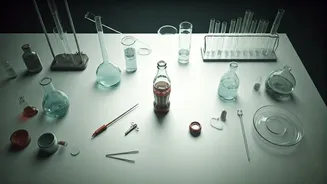
Employing sophisticated analytical instruments like mass spectrometry and gas chromatography, typically found in high-level pharmaceutical labs, this individual has brought advanced chemical analysis out of corporate vaults and into a personal garage setup. The alleged January 8, 2026 video demonstrating these findings showcases the potent combination of unyielding scientific curiosity and readily available lab equipment, posing a significant challenge to even the most fiercely protected commercial secrets. This endeavor highlights a fascinating shift where advanced technology, once exclusive, is now empowering independent exploration and potentially demystifying long-held industrial mysteries. The accessibility of such tools suggests a future where profound trade secrets might be within reach of dedicated enthusiasts, sparking a new era of transparency and investigation into the products we consume daily. This process not only reveals the composition of a global beverage but also underlines the evolving landscape of intellectual property in the face of technological democratization.
The 99% Truth
The much-hyped "secret formula" for Coca-Cola, it turns out, is predominantly composed of a few key ingredients, with the truly mysterious flavor elements constituting a mere fraction. The analysis suggests that over 99% of the beverage consists of sugar, found in approximately 110 grams per liter, along with caffeine at about 96mg per liter, phosphoric acid, and caramel coloring. The genuinely "secret" natural flavors are estimated to make up less than 1% of the total weight. Within this minuscule percentage, the claimed analysis has purportedly identified specific compounds. These include alpha-terpinene derived from citrus oils, limonene, cinnamaldehyde contributing cinnamon notes, and various compounds sourced from nutmeg. A particularly intriguing aspect of this purported discovery is the notion that wine tannins might be responsible for the beverage's characteristic dry finish, possibly emulating effects akin to decocainized coca leaf extract. This revelation drastically simplifies the perceived complexity of the formula, shifting the focus from an elusive alchemy to a more understandable, albeit precisely balanced, combination of common and less common flavor compounds.
DIY Alchemy
The purported recipe for replicating Coca-Cola allegedly involves a two-part system designed to fool even seasoned drinkers, achieved through a combination of DIY chemistry and careful flavor profiling. The core of this replicated formula is said to be a "7X flavoring" component, created by aging essential oils in alcohol before diluting them. This concentrated essence is then mixed with a water-based solution that contains a blend of vinegar, caffeine, glycerin, phosphoric acid, tannins, vanilla, and caramel color. Given that obtaining genuine decocainized coca leaf extract is restricted to specialized licensed processors, the YouTuber reportedly utilized tea tree oil as a substitute to approximate the unique characteristics. According to the claims made in their video, blind taste tests were conducted, where participants purportedly rated the homemade concoction at an impressive 9.5 out of 10, with many finding it indistinguishable from the authentic Coca-Cola product. This suggests that meticulous attention to detail in balancing flavor profiles and textures can lead to remarkably accurate imitations, even without access to the exact original ingredients.
Secrecy Under Scrutiny
The elaborate security measures surrounding Coca-Cola's secret formula, often depicted with high-tech access controls and guards, may be more about marketing mystique than genuine chemical impenetrability, especially in the face of modern scientific tools. The company's strategic decision to avoid patenting the formula precisely to prevent its disclosure is now being challenged by the accessibility of advanced analytical technologies. These tools, capable of identifying molecular signatures, can potentially bypass even the most stringent physical security. The concept of non-commercial reverse engineering, which doesn't infringe on trademark laws, suggests that claims of unique "secret sauces" are increasingly vulnerable. This democratization of scientific analysis implies that centuries-old corporate secrets might be at risk of exposure by determined individuals utilizing readily available equipment. The implications extend beyond a single beverage, raising questions about what other long-held industrial and culinary mysteries could be on the verge of being solved by the growing community of independent researchers and content creators.