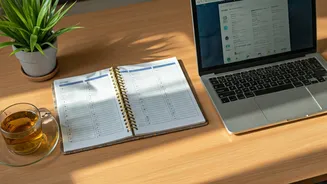









End "Always On" Culture
Constantly responding to emails or messages outside of work hours inadvertently signals to your colleagues that you are perpetually available. This creates
an expectation of constant accessibility, which is a direct path to burnout. It's crucial to define a definitive end to your workday, much like a scheduled appointment, and adhere to it strictly. When the urge to send "just one more email" arises, remember that professional achievements are not the ultimate regret people have at the end of their lives. While occasional overtime demonstrates team spirit, making it a nightly routine is a detrimental habit. By establishing a clear boundary, you signal that your time is valuable and that you prioritize a sustainable work rhythm, thereby protecting yourself from exhaustion.
Defend Your Focus
Attempting to engage in "deep work" amidst constant notifications from group chats is a recipe for diminished productivity. Scientific research indicates that each interruption can derail your concentration for approximately 23 minutes, making it exceedingly difficult to regain your flow state. If you experience multiple interruptions per hour, your work effectively becomes chaotic and disjointed. To combat this, designate two "sacred slots" in your daily schedule, perhaps around mid-morning and mid-afternoon. Mark these times as "Busy" in your calendar and communicate to your team that you'll be unavailable for focused work during those periods. This approach is not about being unsociable; it's about ensuring the quality of your output. Professionals who effectively manage their focus are highly respected for their ability to deliver exceptional results.
Manage Draining Colleagues
We all encounter colleagues whose interactions leave us feeling depleted, whether they are chronic complainers or magnets for workplace drama. These individuals can significantly impact your mental well-being. While direct dismissal isn't always an option, adopting a strategy of "polite distancing" can be highly effective. Aim to keep your interactions brief and strictly work-related. When faced with prolonged conversations or requests, politely excuse yourself by citing a pressing deadline, such as, "That sounds challenging, but I have a deadline approaching and need to get back to it." This is not an act of rudeness; rather, it's about preserving your own emotional and mental equilibrium. Cultivating relationships with colleagues who inspire creativity and positive energy is essential for a healthy work environment.
Stop Enabling Slackers
There's a significant distinction between being a supportive team member and acting as a crutch for less diligent colleagues. Consistently taking on tasks or rectifying the errors of others does not aid their development; it merely enables their lack of accountability. When confronted with requests to "just handle this," gently redirect. You might respond by saying, "I'd be happy to assist, but my current workload is full with [Task X]. If you can have a draft ready by Friday, I can dedicate about ten minutes to reviewing it then." Your energy is a finite resource. It's more beneficial to invest it in your own professional growth and tasks, rather than expending it on rectifying avoidable mistakes made by others.
Recharge with Breaks
The concept of a "working lunch" has become an ingrained, albeit detrimental, habit in modern professional life. Eating meals while simultaneously staring at a computer screen doesn't enhance productivity; instead, it breeds resentment and can lead to a feeling of being constantly "on." Your brain, much like advanced hardware, requires periodic rest to function optimally. Taking a 30-minute break to go for a walk, read a book, or simply savor your food can significantly reduce cortisol levels and allow your subconscious mind to process and potentially solve complex problems. High-achieving professionals understand that lunch is not a luxury but a fundamental necessity for sustained performance and mental clarity.