






Tailored Feline Nutrition
Cats aren't one-size-fits-all when it comes to their diet; their nutritional requirements are highly individual. Factors such as their age, breed, activity
level, any existing health conditions, or even specific sensitivities play a significant role in determining what constitutes a perfectly balanced meal. For a typical healthy adult cat, weighing around 4 to 5 kilograms, a diet that is both complete and balanced is paramount. This means it provides all the necessary components for them to flourish. A complete and balanced diet ensures that every essential nutrient is present in the right amounts, supporting everything from energy levels to immune function and overall well-being. Understanding these unique needs is the first step to ensuring your feline companion receives optimal nourishment.
Critical Nutrients Revealed
Adult cats rely on a comprehensive array of 41 essential nutrients daily for optimal health and happiness. Among these, two stand out as particularly vital. Arginine, an amino acid, is indispensable; its absence can rapidly lead to a life-threatening condition called ammonia toxicity, which can manifest with severe symptoms like excessive drooling, a wobbly gait (ataxia), extreme fatigue, muscle spasms, and even seizures, appearing within hours of a single deficient meal. Furthermore, taurine, another crucial amino acid, is fundamental for maintaining healthy eyesight and a strong heart, and it also plays a role in normal reproductive processes. Unlike many other animals, cats cannot synthesize sufficient taurine on their own, making dietary intake non-negotiable. This vital nutrient is exclusively found in animal-based foods, as plant sources lack it entirely.
The Role of Fibre
Beyond the critical amino acids, dietary fibre plays a noteworthy role in a cat's digestive health and overall satisfaction. Incorporating fibre into your cat's diet helps them feel fuller for longer, contributing to a sense of satiety. This is particularly beneficial for managing hairballs, a common issue that can be mitigated with the right nutritional approach. Ensuring your cat's diet includes adequate fibre supports their digestive system and can help prevent the discomfort associated with hairball formation. This attention to dietary components beyond the absolute essentials contributes to a more holistic approach to feline well-being and comfort.
Understanding Natural Eating
To effectively nourish your adult cat, it's essential to appreciate their natural eating behaviours. Cats typically operate on a 'snack feeder' model, often consuming small portions about 16 to 20 times throughout the day, with each feeding episode lasting only a couple of minutes. For them, eating is generally a solitary activity rather than a communal one. When it comes to what makes a meal appealing, cats are influenced by a combination of sensory factors: its aroma, texture, flavour, and even its temperature. Meals that closely mimic the composition of their natural prey tend to be the most satisfying, encouraging consistent consumption and ensuring they meet their nutritional intake goals.
Hydration: A Crucial Aspect
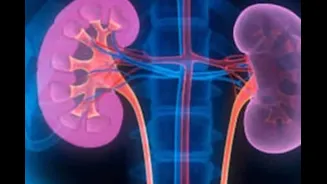
Beyond the specifics of their diet, another critical aspect of feline health that requires attention from pet parents is water intake. Cats have a natural tendency to drink less water compared to many other pets, and they typically separate the act of eating from drinking. This predisposition can make them more susceptible to developing kidney and urinary tract issues. Even if you rarely observe your cat actively drinking, it is imperative to always provide access to a bowl of clean, fresh water. To actively encourage increased water consumption, consider options like a pet water fountain that offers circulating, flowing water, which many cats find more enticing.