






Sound's Potential Impact
The exploration of sound therapy for Alzheimer's stems from observations about how sound influences the brain. Sound waves, when applied in specific frequencies,
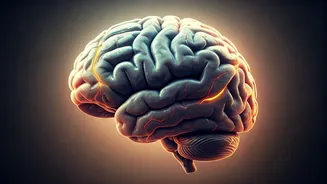
appear to stimulate neural activity. These specific frequencies have the potential to boost cognitive function, particularly in areas like memory and attention, which are often compromised in individuals with Alzheimer's. Researchers are investigating how sound could affect the brain at different levels. This includes studying its potential to reduce the build-up of harmful proteins and encourage the growth of new neural connections. The focus is to determine the optimal sound parameters, such as frequency, duration, and type of sound, that can lead to the best results. Additionally, they are focusing on personalized treatments to maximize benefits.
Current Research Efforts
Current research is diverse, incorporating different sound therapies and technologies. Some studies focus on using specific music compositions, selected or created to resonate with the brain's rhythm. Others experiment with binaural beats, which involve playing different frequencies in each ear to stimulate particular brain wave patterns. There are clinical trials that are rigorously testing these approaches with participants who have Alzheimer's. These studies aim to measure various outcomes, including cognitive performance (using memory tests and cognitive assessments) as well as the emotional well-being of the individuals involved. Researchers also investigate neuroimaging techniques, such as MRI, to see changes in the brain's structure and activity as a result of sound therapy. While the studies are still in early phases, the initial findings offer a degree of optimism about the possibilities. The ultimate goals of current research efforts are to refine techniques, understand the underlying mechanisms, and develop sound therapy solutions that can be broadly applicable.
Overcoming Challenges
Developing sound therapy treatments for Alzheimer's is challenging. One critical challenge is individual variability. Each person's brain responds uniquely, so what works for one may not work for another. Scientists are adapting treatment protocols to the needs of individuals, for example, by tailoring sound parameters according to the cognitive and neurological conditions. Another hurdle is to determine the ideal sound therapy delivery method. Should sound be delivered through headphones, ambient speakers, or other devices? Moreover, researchers are faced with finding effective methods to deliver these therapies. This includes dealing with the possible integration of therapy into daily life and ensuring that the treatments are both affordable and accessible. Despite these challenges, researchers are using innovative approaches to overcome these obstacles and advance the field of sound therapy.
Hope and Future
Sound therapy holds the promise of becoming a new way to treat Alzheimer's disease. As scientific evidence accumulates, it can potentially offer non-pharmacological interventions that can improve the cognitive abilities and quality of life for those afflicted with Alzheimer's and their caregivers. This approach stands as a complement to existing treatments, aiming to provide a holistic strategy for managing the disease. Sound therapy, if proven successful, may reduce the need for medications, minimizing side effects and enhancing overall patient welfare. With continued research, scientists are working towards more precise, personalized sound therapy options, eventually offering hope to individuals and families impacted by this debilitating disease. Looking ahead, sound therapy could become a key aspect of managing Alzheimer's disease.