


Supply Chain Disruptions Hit
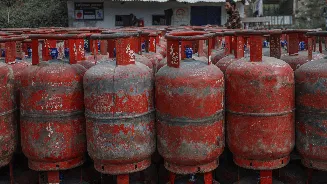
Escalating geopolitical tensions in the Middle East have sent ripples through India's culinary landscape, manifesting as a significant shortage of Liquefied
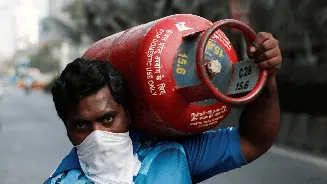
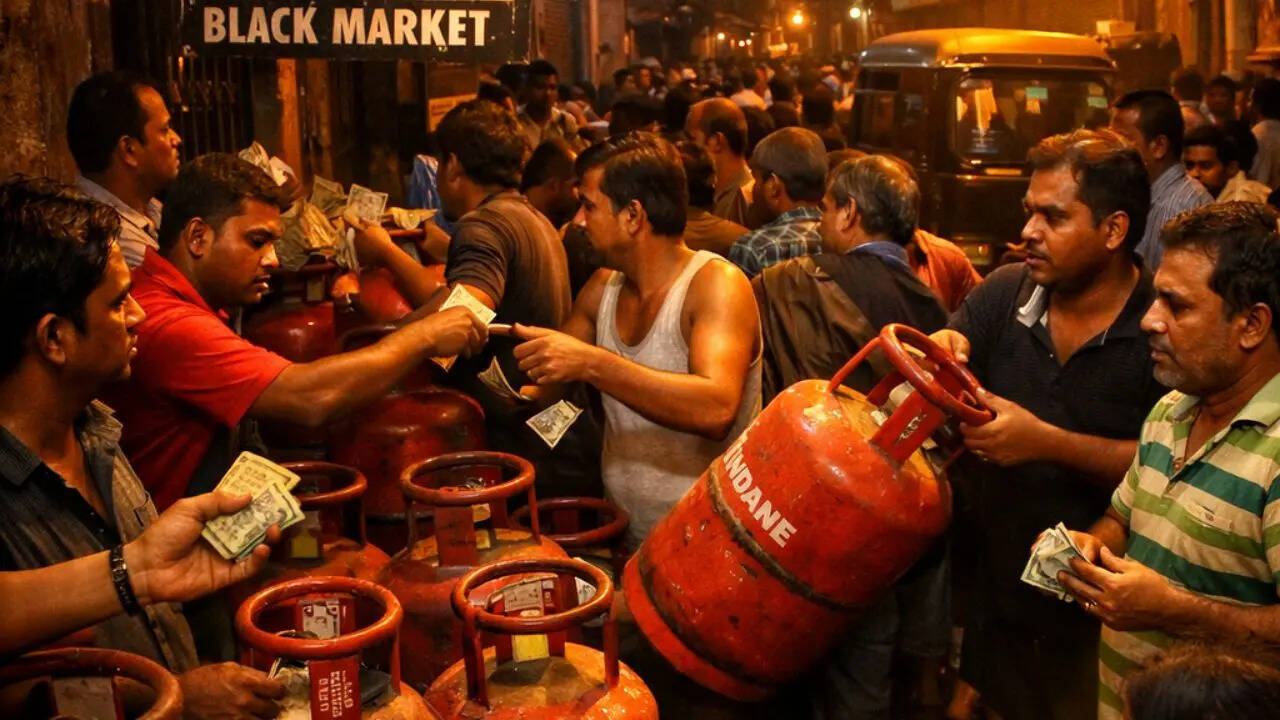
Petroleum Gas (LPG) cylinders. This scarcity has directly impacted the operational capacity of countless eateries nationwide, from bustling cafes to humble food stalls. Businesses are now compelled to make difficult decisions, such as drastically reducing the variety of dishes they can offer, often eliminating items that require extended cooking times. For many, particularly small and medium-sized food enterprises that are heavily reliant on LPG for their core cooking processes, this situation presents a severe operational and financial hurdle. The daily rhythm of cooking and serving is disrupted by extended waiting periods for essential cylinder refills and a marked increase in the cost of available gas. The government is actively observing these developments and reportedly investigating strategies to ensure a consistent and stable provision of crucial resources like LPG, aiming to mitigate further economic fallout for the affected sectors.
Adapting to Survive
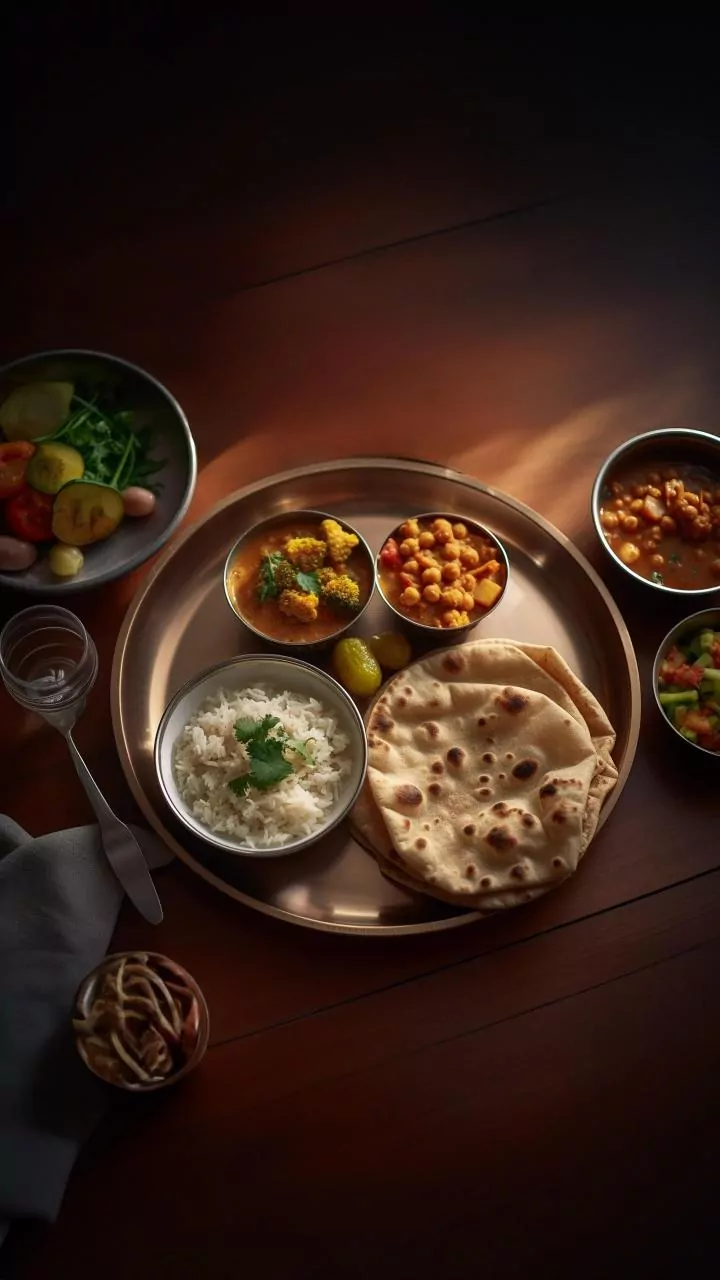
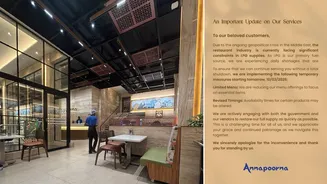
The repercussions of conflicts in West Asia are being keenly felt by restaurants across India, with some facing outright temporary closures and many others resorting to drastic measures to remain operational. A significant number of establishments have already transitioned to induction cookers as an alternative to gas stoves, while others are strategically limiting their menu selections to exclude dishes demanding prolonged cooking. This shift is particularly pronounced for establishments where a substantial portion of their popular cuisine, like Chinese dishes, necessitates high-pressure gas burners, rendering them inoperable without a consistent LPG supply. For some, the inability to use traditional gas ranges means a complete halt to their signature offerings. Business owners are diligently assessing all available avenues to sustain their operations, acknowledging that fixed costs like rent, salaries, and essential license renewals continue to accrue, regardless of the challenging circumstances. The reliance on consistent monthly cash flow in the restaurant industry makes these supply disruptions particularly precarious, forcing difficult operational adjustments.
Regional Impacts and Solutions
Specific regions are experiencing more acute effects from the LPG supply crunch, with major metropolitan areas like Bengaluru and Chennai reporting substantial difficulties. Certain pockets within Delhi and Kolkata are also witnessing similar disruptions, impacting a wide range of food establishments. In Chennai, a noticeable number of smaller eateries have been forced to shutter their operations entirely, a direct consequence of dwindling cylinder stocks and prolonged delays in receiving replacements. This predicament affects a variety of culinary preparations, from intricate biryanis to diverse curries, all of which typically require slow cooking and, consequently, substantial gas consumption. Local gas agencies have confirmed a deficit in the availability of commercial LPG cylinders, with some reporting a complete lack of supply for several days. Restaurants that had previously invested in piped gas infrastructure appear to have been relatively unaffected, highlighting the resilience of alternative supply methods. The industry is actively exploring all potential strategies to navigate this crisis and ensure business continuity.