
Unveiling Underwater Wonders
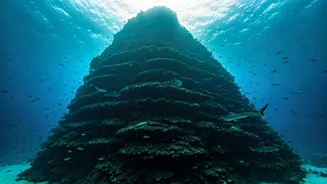
The deep sea, a realm of perpetual darkness and immense pressure, holds a multitude of mysteries, among which lie the 'shark mountains.' These are not
actual mountains made of sharks, but rather, geological structures that rise from the ocean floor. They are often volcanic in origin, created by the shifting of tectonic plates, or by ancient coral reefs. The term 'shark mountains' has been given due to their association with sharks, which frequently congregate near these features. This environment provides these marine creatures with both food and shelter. The presence of these mountains gives scientists an opportunity to learn more about the deep sea and its creatures. The rugged terrain and diverse ecosystems of these underwater mountains make them vital areas for biodiversity.
Shark Habitats Explored
Shark mountains are crucial habitats for a variety of shark species. The complex structure of these formations creates a variety of niches, providing shelter from predators and offering strategic areas for hunting. The mountainous terrain generates complex currents, which can concentrate food sources, such as smaller fish, crustaceans, and other marine life. These areas serve as breeding grounds for some shark species, with the complex environments providing protection for eggs and juvenile sharks. Different species of sharks are drawn to these locations, each having different roles in the ecosystem. Hammerhead sharks are known to use these formations for resting and cleaning, while others, like the goblin shark, are more common in the deep. The variations in the geological structures directly shape the variety of life present.
Ecological Significance Examined
The 'shark mountains' play a vital role in the wider marine ecosystem. These formations serve as oases of life in the generally barren deep-sea environment. They act as stepping stones, allowing various species to connect distant populations. This is important for genetic diversity and overall ecosystem health. The sharks inhabiting these areas are apex predators, which means their presence helps regulate the populations of other species in the food web. Their behavior, such as hunting patterns and migrations, is impacted by the structure of their underwater environments. The health of the 'shark mountains' is interconnected with that of the oceans. Polluted waters and destructive fishing practices can pose substantial threats to these ecosystems and the life they support.
Research and Conservation
Ongoing research is central to understanding and protecting 'shark mountains.' Scientists employ remotely operated vehicles (ROVs) and autonomous underwater vehicles (AUVs) to survey the depths, taking pictures and collecting data without harming the environments. These tools allow detailed mapping of the geological structures and identification of resident species. Conservation efforts are necessary to protect these locations. Many organizations are calling for the establishment of marine protected areas (MPAs) to restrict harmful activities, such as deep-sea mining and unsustainable fishing. Promoting responsible tourism, and raising public awareness about the significance of these habitats, are also important strategies. The preservation of these unique underwater habitats demands a worldwide, collaborative effort.