




The Deceptive Bowl
Salads frequently hold a pristine reputation in the realm of healthy eating, often associated with freshness and abundance. However, this perception doesn't
always align with reality. When not assembled thoughtfully, certain salads can paradoxically leave individuals feeling unfulfilled, drained of energy, or even consuming a greater quantity of calories than intended. The fundamental misunderstanding often stems from the belief that any assortment of greens automatically equates to good health. While vegetables are undoubtedly beneficial, a salad lacking a balanced composition of different food groups may fail to provide the essential nutrients your body requires for optimal functioning. This imbalance can lead to unintended negative consequences, undermining the very health benefits one seeks.
Protein: The Missing Link
A significant issue plaguing many salads is their sheer lack of protein. Typically, these meals consist of a base of leafy greens, a scattering of various vegetables, and perhaps a light dressing. This combination offers fiber and a good dose of vitamins, but it critically omits protein, a macronutrient vital for promoting satiety, supporting muscle development, and maintaining stable blood sugar levels. Without adequate protein, hunger can strike as early as an hour after consumption, frequently prompting undesirable snacking and potentially derailing dietary efforts. Including a protein source transforms a simple salad into a more complete and sustaining meal.
Hidden Calorie Culprits
Another pervasive problem with salads lies in the often-overlooked calorie load contributed by dressings and various toppings. Rich, creamy dressings, excessive amounts of olive oil, generous portions of cheese, crispy croutons, and fried additions can rapidly elevate a seemingly innocent salad into a calorie-dense affair. These additions can transform a meal that was intended to be healthful into one that rivals the caloric content of fast food, thereby negating the perceived health advantages and potentially contributing to unintended weight gain.
Satiety: More Than Just Volume
A large volume of raw vegetables, while visually substantial, may not provide lasting fullness if it lacks essential healthy fats and complex carbohydrates. This deficiency can result in a subsequent slump in energy, increased irritability, and a strong urge for less healthy food choices later in the day. For your body to operate efficiently and maintain optimal performance, it requires a harmonious blend of all macronutrients: carbohydrates, protein, and fats. Ensuring these components are present in your salad is key to sustained energy and well-being.
Digestive Harmony
For many individuals, consuming large quantities of raw vegetables can unfortunately lead to digestive discomfort, including bloating and other gastrointestinal issues, particularly for those with sensitive digestive systems. A simple adjustment to preparation methods can significantly improve digestibility. Lightly cooking the vegetables can make them easier to break down, and incorporating digestive aids like a squeeze of lemon juice or fermented foods can further enhance nutrient absorption and reduce digestive distress, leading to a more comfortable eating experience.
Nourishment Over Numbers
Many salads marketed as 'healthy' prioritize a low-calorie count over genuine nutritional value. By deliberately excluding protein sources, nuts, seeds, or whole grains in an effort to reduce calories, these salads become less satisfying and ultimately less beneficial for overall health. The focus should shift from merely reducing calories to maximizing nutrient density and ensuring the meal provides sustained energy and essential building blocks for the body.
Crafting a Superior Salad
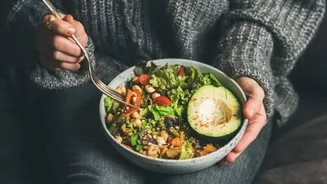
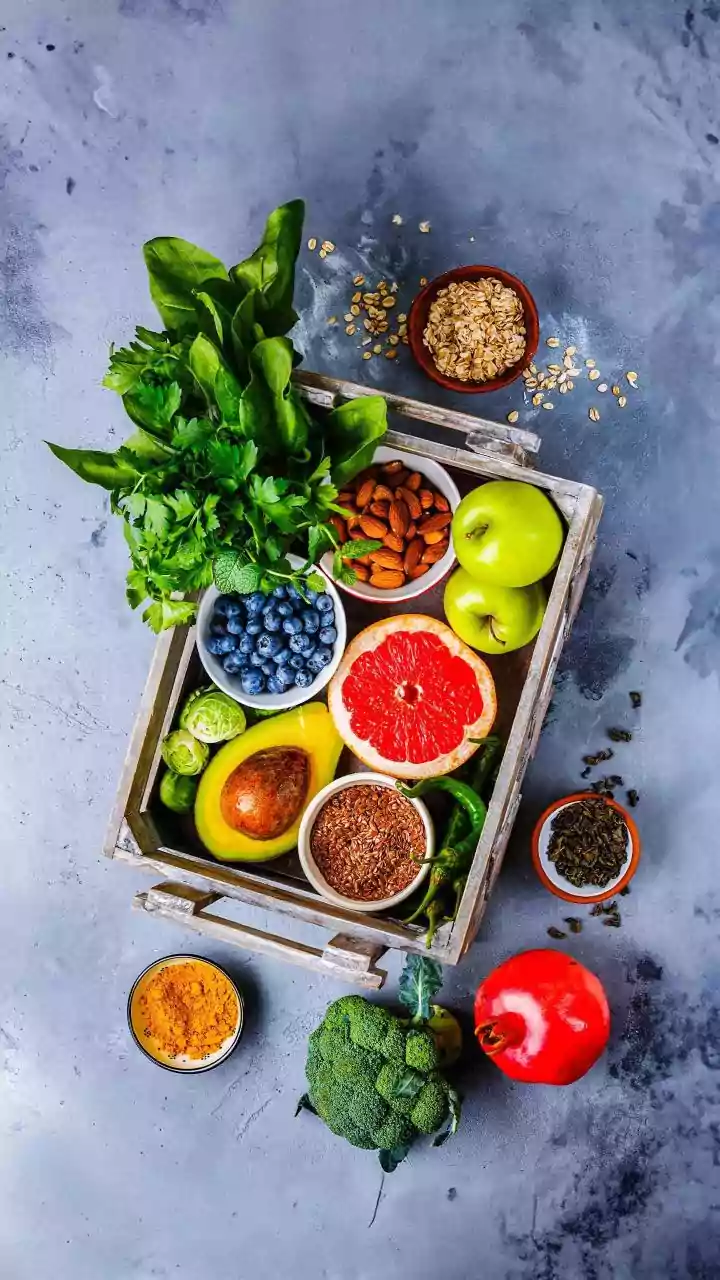
To create a truly healthful salad, consider it a complete meal rather than a mere accompaniment. Start with a base of fresh vegetables, then build upon it with a high-quality lean protein such as grilled chicken breast, tofu, or legumes. Incorporate beneficial healthy fats from sources like nuts, seeds, or extra virgin olive oil, and add complex carbohydrates like quinoa, sweet potatoes, or whole grains. Be mindful of your dressing and topping choices; simple combinations such as lemon juice, a yogurt-based dressing, or a light vinaigrette will yield the best results, ensuring your salad nourishes effectively.