





Recovery is Crucial
For active women over 40, viewing recovery as laziness is a significant misstep. In younger years, the body often recovers swiftly from demanding workouts,
insufficient sleep, or stress. However, midlife ushers in changes that necessitate a shift in perspective; recovery is now an integral component of the fitness journey itself. Neglecting it can lead to heightened inflammation and an increased likelihood of injuries. Issues like joint pain, plantar fasciitis, knee stiffness, and lower back discomfort frequently emerge when intense exercise isn't adequately balanced with rest and recuperation. This phase of life demands a more nuanced approach to physical activity, where listening to your body and allowing for adequate recovery are just as vital as the workouts themselves.
Cardio's Double Edge
While cardiovascular exercise is undeniably beneficial for heart health, circulation, lung capacity, and mental well-being, its effectiveness can diminish when it becomes the sole focus or is performed excessively. Many women over 40 find themselves unintentionally caught in a cycle of overdoing cardio, under-eating, experiencing muscle loss rather than fat reduction, feeling perpetually fatigued, and seeing diminishing returns on their efforts. Excessive cardio can elevate cortisol, the body's primary stress hormone. Sustained high cortisol levels can contribute to stubborn abdominal fat, chronic fatigue, intense cravings, and disrupted sleep patterns, creating a cascade of negative effects that undermine fitness goals and overall health.
Muscle Preservation Matters
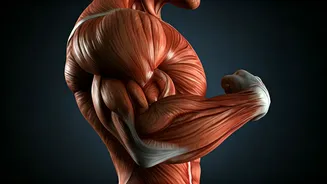
As women age, particularly after 40, natural muscle mass depletion becomes a biological reality, underscoring the critical importance of muscle preservation. Traditional fitness programs often fall short by prioritizing calorie burning above all else, inadvertently neglecting the crucial role of muscle. Muscle is far more than just aesthetics; it's fundamental for maintaining metabolism, improving balance, regulating blood sugar levels, ensuring bone strength, and promoting long-term mobility. The rapid loss of muscle mass can significantly complicate the aging process, making everyday physical activities more challenging. Recognizing and actively working to maintain muscle mass becomes a cornerstone of a healthy and functional midlife.
Strength Training's Role
For many women, the most impactful change to their fitness regimen after 40 isn't about exercising more, but rather about exercising differently. Strength training is instrumental in counteracting age-related muscle loss and is also vital for supporting bone density. This is particularly important post-menopause, as declining estrogen levels elevate the risk of osteoporosis. Recommendations suggest muscle-strengthening activities at least twice weekly. This doesn't require extreme weightlifting; it can encompass resistance bands, bodyweight exercises, Pilates, light weights, and functional movements. Incorporating strength work often leads to a surprising outcome: improved bodily response, even with reduced cardio, due to enhanced metabolic efficiency and a greater sense of energy rather than depletion.
A Balanced Approach
The overarching goal for fitness after 40 for women shifts from punishing the body to cultivating resilience and longevity. This often translates to incorporating more walking, prioritizing strength over sheer calorie expenditure, protecting joints, managing stress effectively, and engaging in consistent, rather than excessively intense, workouts. While cardio remains essential for cardiovascular health, an overreliance on it without adequate strength, recovery, and nutrition can leave women feeling older and less vibrant. The objective moves from solely shrinking the body to building a robust physique capable of sustained energy, strength, mobility, and overall well-being for years to come. This redefinition of fitness emphasizes holistic health and a positive relationship with one's body.
Hormonal Shifts and Exercise
Around the age of 40, women experience fluctuating estrogen and progesterone levels, impacting not only reproductive health but also metabolism, muscle repair, sleep, fat distribution, mood, and energy. Declining estrogen during perimenopause and menopause can lead to increased abdominal fat, reduced muscle mass, lower energy, slower recovery, heightened inflammation, and poorer sleep. While men also undergo hormonal changes, women's sharper and more rapid transition through menopause significantly influences how exercise affects their bodies. An intense 45-minute cardio session that a man might handle well could disproportionately elevate a woman's stress hormones, especially if other factors like sleep or nutrition are compromised, highlighting the biological differences in exercise response.