







Understanding Core Differences
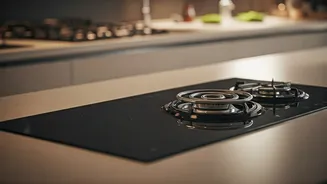
At their heart, induction and electric cooktops represent distinct approaches to heating your cookware. An electric cooktop functions by first warming
its surface, which then transfers heat to the pot or pan placed upon it. This method is akin to a conventional stove, warming the entire element before it cooks your food. In contrast, an induction cooktop employs magnetic energy. When a compatible pot or pan is placed on the surface, the induction coil generates a magnetic field that directly excites the molecules within the cookware itself, causing it to heat up rapidly. This direct heating of the utensil, rather than the cooktop surface, is the fundamental divergence that influences their performance and characteristics, ultimately impacting cooking times and energy consumption.
Functionality and Speed Comparison
The functional divergence between induction and electric cooktops significantly impacts their speed. Electric cooktops utilize exposed or concealed heating coils that need to reach an optimal temperature before they can effectively transfer heat to your cooking vessel. This process takes time, and the heat transfer is indirect. Consequently, tasks like boiling water, which might take a few minutes on an induction unit, will require a noticeably longer duration on an electric model. Induction cooktops, by virtue of heating the cookware directly through magnetic induction, offer a much swifter cooking experience. Imagine preparing your morning tea; on induction, the water heats almost instantaneously as the pan gets hot directly, whereas an electric cooktop involves a delay as the surface warms up. For busy households, this speed advantage makes induction a highly desirable option.
Heat Control and Energy Efficiency
When it comes to managing cooking temperatures, induction cooktops offer unparalleled responsiveness. They heat up in moments and, crucially, cool down just as rapidly once the heat is adjusted or the unit is turned off. This makes them ideal for dishes requiring precise temperature adjustments, such as delicate custards or creamy halwas, where overheating can be detrimental. Electric cooktops, conversely, exhibit a more gradual response. Their surfaces retain heat for a considerable period even after the power is reduced, which can be beneficial for dishes like slow-cooked curries or simmering masalas. In terms of energy efficiency, induction cooktops generally outperform electric models. By directly heating the cookware and minimizing heat loss to the surrounding environment, they utilize energy more effectively. Electric cooktops, much like gas stoves, experience some degree of wasted heat, leading to higher electricity consumption and a slightly greater running cost.
Safety and Maintenance Ease
Safety and ease of maintenance are critical considerations for any kitchen appliance. Induction cooktops possess a significant advantage here due to their design. Since the cooktop surface itself doesn't get intensely hot—only the cookware does—spilled food is less likely to burn onto the surface, making cleaning a simple matter of wiping it down. Furthermore, as soon as you remove a pot or pan from an induction hob, it automatically shuts off and cools rapidly, drastically reducing the risk of accidental burns. Electric cooktops, however, have surfaces that remain hot for a longer duration after use. Food spills on these hot surfaces can harden and become difficult to scrub off, requiring more intensive cleaning efforts. The extended cooling period also elevates the risk of burns if touched accidentally, making induction a safer choice, especially in households with children.
Cookware Compatibility and Experience
The type of cookware required is a key differentiator between these two technologies. Electric cooktops are highly versatile in this regard; they function seamlessly with a wide array of cookware materials, including aluminum, stainless steel, and glass. This means you can typically transition from a traditional LPG stove to an electric cooktop without needing to purchase new pots and pans, offering a familiar cooking experience. Induction cooktops, on the other hand, necessitate magnetic cookware, primarily those made from cast iron or certain types of stainless steel. If your current kitchenware is not magnetic, you will incur an additional expense to acquire compatible cookware. While adapting to induction may require a slight learning curve due to its rapid heating capabilities, many users find the modern and precise cooking experience it offers to be a worthwhile upgrade.
Initial Investment vs. Long-Term Savings
When evaluating the overall cost, it's essential to consider both the upfront purchase price and the ongoing operational expenses. Initially, an induction cooktop often represents a higher investment, primarily due to the necessity of buying specialized magnetic cookware if you don't already own it. However, this initial cost is frequently offset by long-term savings. The superior energy efficiency and faster heating of induction mean lower electricity bills over time, making it more economical to run. Electric cooktops tend to have a lower starting price, and they allow you to use existing cookware, thus saving money upfront. Nevertheless, their greater electricity consumption can lead to higher running costs throughout the appliance's lifespan, potentially making them more expensive in the long run.