




Rarity and Intrinsic Value
The fundamental distinction between platinum and silver lies in their scarcity, which significantly impacts their perceived value and cost. Platinum is an exceptionally
rare element, found in much smaller quantities globally than gold, and consequently, far less abundant than silver. This inherent rarity, coupled with the complex and resource-intensive processes required for its extraction and refinement, positions platinum as a premium metal. Silver, on the other hand, is considerably more accessible, having been a staple in various applications, from coinage to decorative items, for millennia. Its widespread availability contributes to its more approachable price point, making it a popular choice for everyday adornment and a wide range of artisanal creations. While both metals hold inherent value, platinum's scarcity alone elevates it into a category of luxury and long-term investment, whereas silver offers value through its abundance and historical significance.
Structural Integrity
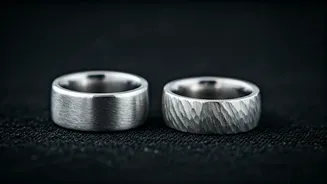
The molecular composition of platinum and silver dictates their inherent strength and resilience, leading to vastly different wear characteristics. Platinum is renowned for its exceptional density and robustness. When subjected to daily wear and tear, including scratches, the metal doesn't actually diminish; instead, the metal is displaced, often developing a soft, matte patina over time, which many find appealing. This unique characteristic ensures that platinum jewelry retains its form and substance even after years of consistent use. Silver, in contrast, is a softer metal. It is more susceptible to visible scratches and can deform or bend more readily under pressure. Furthermore, silver is prone to tarnishing, a chemical reaction that dulls its shine, requiring regular polishing to restore its luster. Consequently, platinum is an ideal choice for pieces intended for continuous wear, such as wedding bands or engagement rings, while silver is better suited for items that are worn less frequently or rotated within a collection.
Care and Upkeep
The practicalities of maintaining platinum and silver jewelry differ significantly, influencing the user experience and the effort required to keep them looking their best. Platinum requires minimal attention; it does not tarnish or fade and generally needs only an occasional gentle cleaning to maintain its appearance. This low-maintenance nature makes it a 'set it and forget it' metal, perfect for individuals who prefer their jewelry to be effortlessly elegant without demanding constant attention. Silver, however, necessitates a more hands-on approach. It is prone to tarnishing, especially in environments with high humidity, which can lead to a dulling of its natural brilliance. To preserve its characteristic shine, silver jewelry typically needs regular polishing with appropriate cleaning agents or careful storage in airtight containers to minimize exposure to air and moisture. Therefore, the choice between the two often hinges on an individual's willingness to engage in regular cleaning and upkeep versus opting for a more carefree option.
Aesthetic Presentation
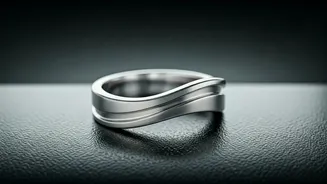
Visually, platinum and silver offer distinct aesthetics that cater to different style preferences. At first glance, they might appear similar, both boasting a cool, white-metal sheen. However, upon closer examination, platinum presents a softer, slightly muted greyish hue that exudes an understated elegance. Its charm lies in its refined subtlety, embodying a sophisticated look that doesn't overtly draw attention. It complements a minimalist or classic style beautifully. Silver, conversely, possesses a brighter, more luminous quality that readily catches the light, offering a more striking and eye-catching sparkle. This vibrant appearance makes it a favored choice for those who enjoy a bolder statement or appreciate a jewelry piece that stands out. However, maintaining this brilliance requires consistent effort due to silver's propensity to tarnish over time, unlike platinum's enduring luster.
Weight and Tactile Feel
The physical sensation of wearing jewelry made from platinum and silver is markedly different, largely due to their respective densities. Platinum is a notably heavy metal, imparting a substantial and luxurious feel when worn. This inherent weight translates into a palpable sense of quality and richness, making the jewelry feel more significant and valuable on the hand or around the neck. It's a sensation that communicates a premium experience. Silver, being considerably lighter, offers a more comfortable and less imposing feel, particularly for larger or more intricate designs. While this lightness can make certain pieces more wearable for extended periods, it doesn't convey the same sense of opulent substance that platinum does. The choice here often comes down to whether one prefers jewelry that feels barely there or something that offers a distinct, grounding presence.
Durability Under Stress
The resilience of platinum and silver when subjected to physical stress reveals their differing capacities for longevity. Platinum is exceptionally tough and resistant to damage. Its dense atomic structure means that when it experiences impact or abrasion, the metal tends to compress or shift rather than chip or break away. This inherent toughness contributes to its reputation as a metal that can withstand the rigms of daily life without significant degradation. Silver, while still a precious metal, is comparatively softer and more yielding. It is more prone to scratching, bending, and even deforming if exposed to significant force. This greater delicacy means that silver jewelry requires more cautious handling and is less suited for activities where it might be subjected to hard knocks or rough treatment. For enduring pieces designed to be worn through significant life events, platinum offers superior resilience.
Symbolism and Occasion
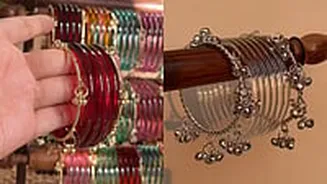
Beyond their physical properties, platinum and silver carry distinct symbolic meanings and are associated with different types of occasions and styles. Platinum often embodies permanence and significant life milestones; it is frequently chosen for engagement rings, wedding bands, and heirloom pieces, signifying commitment, everlasting love, and profound importance. It carries an aura of gravitas and intention. Silver, on the other hand, is perceived as more versatile and relaxed. It lends itself well to everyday wear, fashion-forward layering, and experimentation with current trends without the pressure of permanence. Its accessibility also makes it a popular choice for everyday adornment and cultural expressions, especially in regions like India where it features prominently in traditional jewelry, religious artifacts, and household items. Platinum leans towards modern luxury and momentous events, while silver embraces accessible style and continuous wear.