




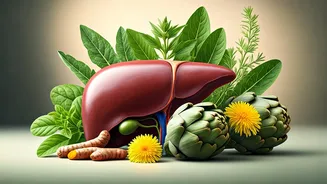


Understanding the Hangover
A hangover, often characterized by headaches, fatigue, and nausea, is the body's reaction to excessive alcohol consumption. It's a complex process involving
dehydration, inflammation, and the breakdown of alcohol into toxic byproducts like acetaldehyde. The severity of a hangover varies based on factors like the amount of alcohol consumed, individual metabolism, and overall health. When alcohol enters the bloodstream, it disrupts the body's natural balance. The liver works overtime to metabolize the alcohol, creating byproducts that contribute to those unpleasant symptoms. Dehydration, as alcohol acts as a diuretic, further exacerbates the problem, leading to headaches and dizziness. The inflammation caused by alcohol also plays a significant role in triggering those familiar aches and pains. It is important to know the root cause to better find a solution.
Hydrate, Hydrate, Hydrate!
Dehydration is a primary culprit behind hangover symptoms. Alcohol inhibits the release of vasopressin, a hormone that helps the kidneys reabsorb water, leading to increased urination and loss of fluids. To combat this, replenishing lost fluids is crucial. Water should be your best friend. Sip it throughout the day. Sports drinks with electrolytes can also help replace lost minerals. Coconut water is another excellent option; it is naturally rich in electrolytes. Aim to drink at least a liter of water or electrolyte-rich fluids in the morning. This simple act can help alleviate headaches, fatigue, and other dehydration-related symptoms. Rehydrating helps to restore the body's fluid balance, supporting cellular functions and speeding up recovery.
Embrace Ginger's Power
Ginger is a well-known remedy for nausea and upset stomachs, making it a valuable ally against hangover symptoms. It contains compounds that help reduce inflammation and soothe the digestive system. Ginger tea is a simple and effective way to harness ginger's benefits. Steep fresh ginger slices in hot water for about 10-15 minutes, or use ginger tea bags. You can also try ginger ale, but be mindful of the added sugar. Consuming ginger can help calm your stomach, reduce feelings of nausea, and provide a sense of relief. Ginger's anti-inflammatory properties further assist in easing overall discomfort, paving the way for a quicker recovery from the effects of alcohol.
Fuel with Nutrient-Rich Foods
While a greasy breakfast might seem tempting, it might not be the best choice for hangover recovery. Focus on easily digestible, nutrient-rich foods. Eggs are an excellent choice, as they are a good source of cysteine, an amino acid that helps break down acetaldehyde, a toxic byproduct of alcohol metabolism. Bananas can help replenish potassium lost through alcohol's diuretic effects, easing muscle cramps and fatigue. Toast with honey or a light carbohydrate source can provide easily accessible energy. Consume foods that will help restore your blood sugar levels and provide essential nutrients to support the body's recovery. Opting for a balanced and easily digestible meal supports the body's natural detoxification processes.
The Soothing Effects of Sleep
Alcohol disrupts sleep patterns, leading to fragmented and less restful sleep. Getting enough sleep is crucial for hangover recovery. Aim for 7-9 hours of sleep, if possible. Create a relaxing bedtime routine to help you fall asleep more easily. Turn off screens at least an hour before bed. Ensure your bedroom is dark, quiet, and cool. Consider taking a warm bath or listening to calming music to promote relaxation. Sleep allows your body to rest and repair itself, enabling it to clear out toxins and restore energy levels. Prioritizing sleep can significantly speed up the recovery process and help you feel more refreshed.