








The Growing Epidemic
Globally, childhood obesity is a burgeoning crisis, with UNICEF reporting that approximately 188 million school-aged children are now living with obesity,
a figure that has surpassed the number of underweight children. India is experiencing this surge intensely, with projections indicating that as many as 440 million Indian children could be affected by obesity by 2030. This alarming trend was highlighted by the Prime Minister on Independence Day 2025, who recognized obesity as a silent epidemic and called for immediate adoption of healthier lifestyles. The implications extend far beyond aesthetics, creating a significant long-term health burden for the nation. Early intervention and awareness are paramount to curb this escalating health challenge that impacts millions of young lives across India.
Obesity's Bone Paradox
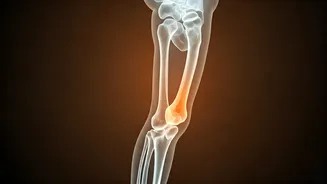
Contrary to the assumption that increased weight equates to stronger bones, research reveals a complex paradox in childhood obesity. While children who are overweight might appear to have larger bone structures, their bones often exhibit lower quality, making them more susceptible to fractures even from minor falls. This phenomenon is attributed to several intricate biological mechanisms. Inflammatory markers released by excess body fat can disrupt the natural processes of bone formation. Furthermore, an increase in bone marrow fat can impede the function of osteoblasts, the cells responsible for building bone tissue. Disrupted signaling pathways involving insulin and insulin-like growth factor 1 (IGF-1) also play a role, as does precocious puberty, which can lead to accelerated bone development that is ultimately less effective in mineral accrual. Vitamin D deficiency and a decrease in weight-bearing physical activities further compound these issues, leading to bones that are both larger and more fragile.
Consequences and Risks
The ramifications of childhood obesity extend significantly to bone health, manifesting in various ways. Children experiencing this condition may encounter recurrent fractures, particularly in areas like the wrists and ankles, even from seemingly trivial incidents. Beyond overt breaks, they might suffer from generalized musculoskeletal discomfort and experience prolonged recovery periods following injuries. This compromised bone integrity also contributes to a higher lifetime risk of developing osteoporosis, a condition characterized by brittle and porous bones. The long-term health consequences are substantial, encompassing an elevated risk of developing type 2 diabetes, hypertension, dyslipidemia (abnormal blood lipid levels), fatty liver disease, and sleep apnea. Furthermore, mental health can be negatively impacted during adolescence, and adults who were obese as children face increased risks of cardiovascular disease, various forms of cancer, and premature mortality.
Building Stronger Bones
Preventing the detrimental effects of childhood obesity on bone health starts with establishing a supportive environment and cultivating healthy daily habits. Prioritizing minimally processed foods is crucial, ensuring children consume nutrient-rich options that fuel healthy growth. Adequate intake of calcium and vitamin D is vital for bone development and strength. Encouraging active outdoor play and organized weight-bearing activities, such as running, jumping, and sports, helps stimulate bone growth and density. Ensuring children get sufficient sleep is also important for their overall health and recovery. Limiting screen time can encourage more physical activity and reduce sedentary behavior. By making these practices a cornerstone of family life, parents and guardians can significantly contribute to stronger bones and a healthier future for their children.
Seeking Professional Help
It is essential for parents and caregivers to be vigilant about potential signs of compromised bone health in children, especially if they are overweight. If a child experiences persistent bone pain, frequently sustains sprains or fractures after minor falls, exhibits bowed legs, demonstrates slow healing from injuries, or suffers from ongoing fatigue, seeking professional medical advice is recommended. Scheduling an appointment with a pediatrician or, if necessary, a pediatric endocrinologist is the next step. These specialists can conduct a thorough assessment to evaluate the child's bone health and determine if further investigation or intervention is required. Early detection and management are key to addressing any underlying issues and ensuring the child's long-term skeletal well-being.