





Workspace & Tools
Embarking on the journey of cutting raw kathal, or jackfruit, necessitates a well-prepared environment and the right instruments to manage its notoriously
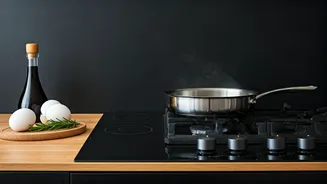
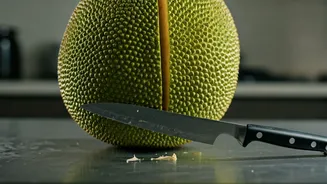
sticky sap. Before you even touch the fruit, ensure your cutting surface is adequately protected. Laying down newspaper or a plastic sheet is crucial for containing the inevitable sap, which can be quite messy. Essential companions for this task include a bowl of water and cooking oil. These aren't merely for convenience; they are vital for preventing the sticky latex-like sap from adhering to your hands and cutting tools. A sharp, preferably long, knife is your primary weapon. The length of the knife aids in making cleaner, deeper cuts. Remember, preparation is key to a smooth and less frustrating experience when tackling this versatile yet challenging ingredient.
Initial Cuts & Sap Management
The initial stages of cutting raw kathal involve strategic cuts designed to manage the sticky sap that is released. Begin by carefully trimming off both ends of the jackfruit using your sharp knife. This action will immediately cause the sap to ooze. Chef Kapur advises placing the fruit onto your prepared newspaper or plastic sheet immediately after this cut. Allow a moment for the sap to collect, and then, utilizing the freshly cut surface of the jackfruit itself, gently scrape off the excess sap. Avoid using your knife or hands for this, as it can lead to stickiness. Repeat this process for the bottom end of the fruit, again using the cut end of the jackfruit to scrape away the sap. This meticulous approach to sap management sets the stage for subsequent, easier cuts and prevents your tools and hands from becoming overly sticky.
Halving and Pith Removal
Once the ends have been addressed, the next critical step is to divide the jackfruit. Re-apply oil to your knife's blade and place the jackfruit upright on your cutting board. Make a decisive cut from top to bottom, right through the center. You'll notice that the sap tends to concentrate and ooze from the central stem area. Let this sit for about 30 seconds, then use a piece of the fruit you've already cut to scrape away this concentrated sap. Now, cut each of the resulting halves lengthwise again, creating long wedges. The goal here is to expose the inner structure more fully, making it easier to proceed. This careful halving and wedging prepares the fruit for the removal of its core and pith, paving the way for isolating the edible pods.
Peeling and Pod Separation
With the jackfruit divided into manageable wedges, the process of peeling and separating the edible parts begins. Stand each wedge upright on the cutting board. Using your knife, carefully peel away the tough outer skin. It's important not to remove too much flesh during this step; focus solely on discarding the hard rind. After peeling, slice these wedges into roughly half-inch thick rounds. Subsequently, cut these rounds into one-inch thick chunks. A crucial technique here is to immediately immerse these prepared pieces into a pre-made cold bath of iced water, which should contain about two to three litres of water, a teaspoon of salt, and a teaspoon of turmeric. This bath is essential for maintaining the bright color of the jackfruit and preventing it from darkening after being cut. Remember, the fibrous core that holds the wedges together should not be trimmed off, as it helps maintain the integrity of the jackfruit pieces during cooking.
Final Prep and Storage
After the jackfruit has spent 15-20 minutes in the cold water bath, it's time for the final drying and preparation. Gently remove the kathal pieces from the water and place them on a dry towel. Pat them thoroughly to remove as much moisture as possible. This step ensures that the jackfruit is ready for immediate use in your favorite recipes, such as a delicious kathal ki sabzi. If you're not cooking it right away, these meticulously prepared pieces can be stored for later use. They can be refrigerated for short-term storage or placed in a deep freezer for longer preservation. By following these detailed steps, you can confidently prepare and store raw jackfruit, ready to be enjoyed in various culinary creations whenever you wish.