


Cover & Conserve
A fundamental yet highly effective technique to maximize your LPG cylinder's lifespan is to consistently cook with lids on your pots and pans. By trapping
the heat effectively, you significantly accelerate the cooking process, which in turn reduces the amount of time your burner needs to be on. This simple habit can lead to a remarkable decrease in gas consumption, potentially saving up to 30% of your usual fuel usage. Beyond just saving gas, it also helps retain more moisture and nutrients in your food, leading to better-tasting meals.
One-Pot Wonders
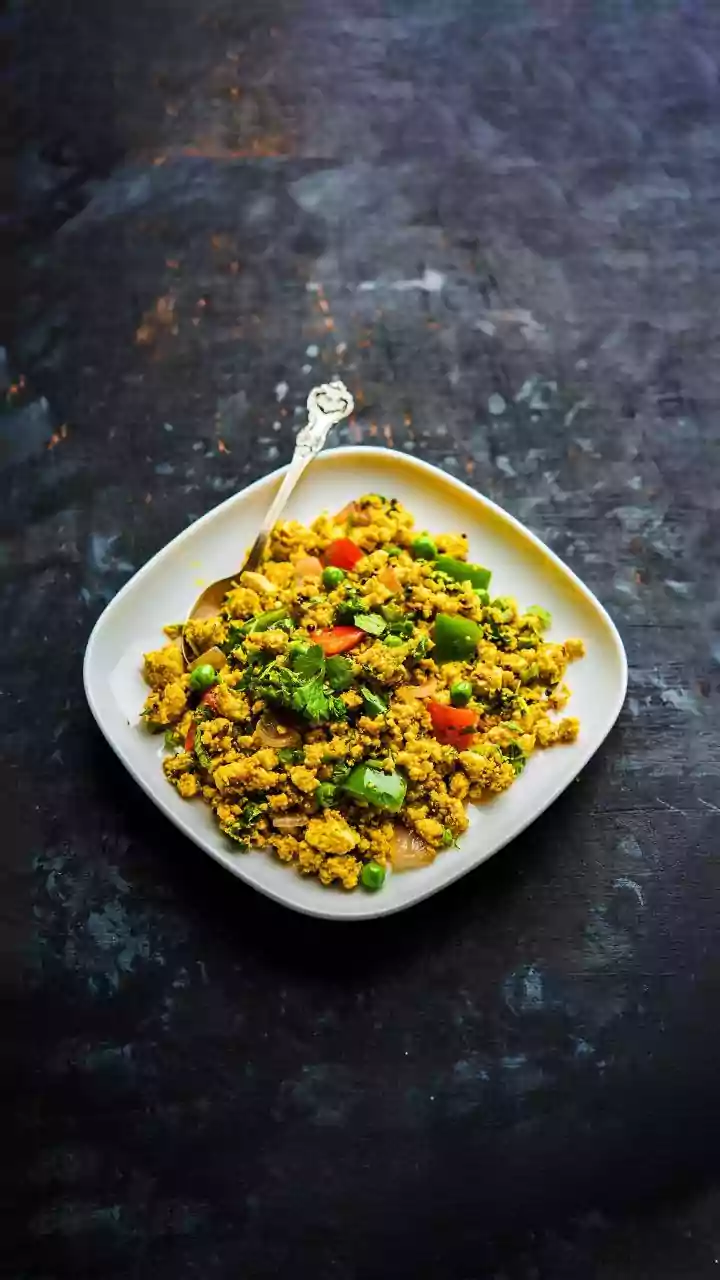
Embracing the art of one-pot meals can dramatically cut down on your LPG consumption and kitchen chores. Dishes like hearty khichdi, flavorful pulao, comforting pasta, or robust stews inherently require fewer burners and minimal dishwashing. By consolidating the cooking process into a single vessel, you not only save precious cooking gas but also reclaim valuable time and simplify your post-meal cleanup routine. This approach is a win-win for efficiency and convenience.
Prepare Beforehand
The key to efficient cooking, and thus saving LPG, lies in meticulous preparation before you even switch on the stove. Taking the time to chop your vegetables, measure out your spices, and organize all your ingredients beforehand ensures a smooth, uninterrupted cooking session. This prevents you from wasting gas by frequently stopping and starting the cooking process to find or prepare items mid-recipe. A well-prepared kitchen is an efficient kitchen.
Pressure Cooker Power
Pressure cookers are undeniably champions when it comes to fuel efficiency. Their design allows them to cook food considerably faster by effectively trapping steam, creating a higher internal pressure. This makes them exceptionally useful for staples like rice, lentils, and various curries. By shortening the cooking duration, pressure cookers significantly reduce the amount of LPG required, offering a substantial saving over traditional cooking methods.
Match Flame to Pot
An often-overlooked aspect of gas conservation is ensuring the correct alignment between your burner's flame and the size of your cookware. Using a small pan on a large burner results in excess flame licking up the sides of the vessel, which is pure energy wastage. Conversely, a large pot on a small burner will take an unnecessarily long time to heat. Always aim to match the burner size to your cookware for optimal heat transfer and to prevent gas from escaping unused.
Bulk Cooking Benefits
Consider adopting a strategy of cooking in larger quantities rather than preparing meals multiple times throughout the day. By making a bigger batch and storing the excess, you can significantly reduce your overall LPG usage. Reheating smaller portions generally consumes far less gas than starting a new cooking process from scratch each time. This method not only saves fuel but also helps in meal planning and reducing food waste.
Smaller Cuts Cook Faster
The size at which you cut your ingredients directly impacts cooking time and, consequently, your LPG consumption. Smaller pieces of food cook much more rapidly than larger ones. For instance, diced potatoes will reach tenderness considerably faster than large, whole chunks. By opting for smaller, more manageable cuts, you shorten the overall cooking duration, leading to a more efficient use of your cooking gas.
Flatware for Efficiency
The shape and condition of your cookware play a role in how efficiently heat is distributed and food is cooked. Flat-bottomed vessels are superior because they provide even heat distribution across the entire base, allowing food to cook more uniformly and faster. Warped or rounded pots, on the other hand, are less efficient as they don't make full contact with the burner, leading to wasted heat and extended cooking times, thus consuming more gas.
Soak for Speed
A simple yet highly effective way to reduce cooking time and gas usage is by soaking grains and pulses before cooking. Whether it's rice, beans, or lentils, giving them a soak beforehand significantly softens them. This reduction in hardness translates directly into a shorter cooking period on the stove, conserving both your LPG and your effort. It's a preparation step that yields substantial savings.
Clean Burners, Efficient Flame
Regular maintenance of your gas stove's burners is crucial for optimal performance and fuel economy. Clogged burners, often due to accumulated food debris, can lead to inefficient flame distribution and reduced heat output. Keeping your burners clean ensures proper combustion, a strong and consistent flame, and maximum heat transfer to your cookware, preventing unnecessary gas wastage.