







A Legend Departs
India mourns the loss of Asha Bhosle, an unparalleled voice in music for over eight decades. Her passing, attributed to extreme exhaustion and a chest
infection, marks the end of an era. Admitted to Breach Candy Hospital, the legendary singer's condition worsened, leading to multi-organ failure. She is survived by her son Anand and grandchildren. The news was confirmed by hospital authorities, with details regarding her residence and funeral arrangements shared for those wishing to pay their final respects. Bhosle's immense contribution to Indian cinema and music has left an indelible mark on the nation's cultural landscape.
Aging Lungs Explained
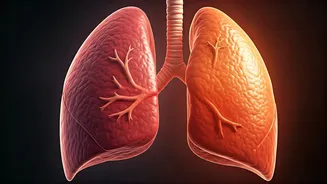
Chest infections, particularly lower respiratory tract infections (LRTI), are more prevalent in the elderly due to natural bodily changes. As individuals age, their immune systems weaken, diminishing the effectiveness of defense mechanisms. The cough reflex, crucial for clearing mucus and pathogens from the airways, becomes less potent, leading to an accumulation of germs. Furthermore, weakened swallowing abilities can result in small amounts of food or saliva entering the lungs without obvious choking, a condition known as aspiration, which frequently triggers recurrent infections. Reduced physical mobility also plays a significant role; when individuals spend more time sedentary or lying down, their lungs may not fully expand, creating areas of poor ventilation in the lower lung regions that are susceptible to infection. Pre-existing conditions like COPD, heart ailments, or diabetes further elevate these risks, as does mild dehydration, which can thicken respiratory secretions and impede clearance.
Exhaustion: A Warning Sign
In older adults, symptoms of infection may not manifest as typically as in younger individuals; instead, exhaustion can often be the primary indicator, preceding classic signs like fever or cough. This subtle presentation means that weakness, lethargy, or confusion might be the earliest clues that an infection is developing. It's crucial for caregivers and family members to recognize that these non-specific symptoms in the elderly can signal an underlying health issue that requires immediate attention. Understanding this atypical presentation is key to timely diagnosis and intervention, preventing minor ailments from escalating into more severe complications. The body's reduced ability to mount a strong inflammatory response can mask more serious infections, making vigilance essential for those caring for the elderly.
Preventive Care Strategies
Proactive health measures are vital for safeguarding the elderly against infections. Regular vaccinations against influenza and pneumococcal diseases significantly bolster immunity. Maintaining good oral hygiene is also important, as it reduces the bacterial load in the mouth, thereby lowering the risk of aspiration-induced infections. Encouraging regular physical activity, such as sitting up, walking, and performing simple breathing exercises, helps improve lung expansion and ventilation. Ensuring adequate hydration is critical, as it keeps respiratory secretions thin and easier to clear. For individuals experiencing swallowing difficulties, employing proper feeding techniques and maintaining an upright posture during and after meals can significantly reduce the risk of aspiration. These combined preventive steps address the multifaceted challenges associated with aging and immune system vulnerability.