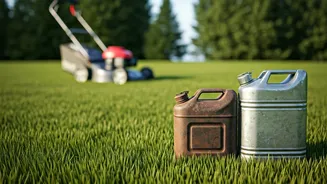









Fuel's Lifespan Explained
Many homeowners wonder about the longevity of gasoline, especially when preparing lawn equipment for seasonal storage. A key concern is whether leftover
fuel from the previous mowing season can be mixed with fresh gasoline come spring. Experts highlight that fuel's quality degrades significantly over time, with noticeable breakdown occurring in as little as 30 days. This degradation process can lead to the formation of sticky gums and varnishes, which are notorious for clogging essential engine components like carburetors and fuel lines. For fuels containing ethanol, an added complication arises: moisture absorption, which can cause a separation of the fuel components. This separation not only compromises the fuel's effectiveness but can also lead to internal engine corrosion and subsequent difficulty in starting the mower when you need it most. Therefore, simply topping up your mower with new gas without considering the state of the old fuel is generally not advisable for maintaining engine health and reliable operation.
Safe Disposal Methods
Properly disposing of old gasoline is crucial to prevent potential hazards and environmental damage. One recommended method is to simply run your lawn mower until it is completely out of fuel, thus emptying the tank naturally. Alternatively, you can use a siphon pump or even a turkey baster to carefully extract the old gasoline from the tank and transfer it into an approved, sealed fuel container. For certain lawn mower models, it might be possible to disconnect the fuel line where it connects to the carburetor and drain the fuel directly into a container. However, it's vital to consult your machine's manual before attempting this, as it's not compatible with all engine types, such as those from Briggs & Stratton. If your mower will only be idle for about a month, adding a high-quality fuel stabilizer to the tank and running the engine briefly to circulate it can offer a temporary solution, though this is not ideal for long-term storage. Once the gasoline is drained, place it in a safe, approved container. If the fuel is only slightly aged and uncontaminated, some recycling centers or service stations may accept it. In cases where the fuel has clearly gone bad, the safest disposal route is to take it to a local household hazardous waste facility or a community collection event that specifically handles fuel. A quick 'waft test' and visual inspection can help determine if fuel is past its prime: a sour smell, darker color, or visible separation are clear indicators that the fuel should not be mixed with new gas and requires proper disposal.
The Risks of Mixing
Mixing old, degraded gasoline with fresh fuel is generally discouraged by experts, particularly if the leftover fuel has been sitting untreated for an extended period, such as over winter. Stale gasoline has undergone chemical changes that can significantly impair your lawn mower's performance. Its ability to combust efficiently diminishes, potentially leading to rough idling, inconsistent power delivery, and an overall sluggish operation. Furthermore, the breakdown products within the old fuel can accumulate as deposits within the engine's intricate fuel system. These deposits can impede the flow of fuel, leading to starting issues and potentially causing long-term damage to components like the carburetor and fuel injectors. To ensure your lawn mower starts reliably and operates at its peak efficiency throughout the spring and summer mowing seasons, it's always best practice to begin with a full tank of brand-new, high-quality gasoline. This proactive step helps protect your small engine from potential harm and guarantees optimal performance when you need it most.
Environmental Concerns
Pouring gasoline directly onto your lawn is an action that carries significant risks, both in terms of immediate safety and long-term environmental impact. Gasoline is a highly volatile substance, making it extremely flammable. Even a small spark or open flame in the vicinity could lead to a dangerous fire, posing a serious hazard to yourself, your property, and your surroundings. Beyond the fire risk, gasoline is a potent environmental contaminant. When spilled on the ground, it can seep into the soil, damaging plant life and disrupting the delicate balance of microorganisms essential for a healthy ecosystem. Furthermore, it can leach into groundwater, potentially contaminating water sources used for drinking or irrigation. Even minimal quantities of gasoline can harm your lawn and landscaping, and as runoff, it can contribute to broader environmental damage in nearby water bodies and ecosystems, affecting aquatic life and further spreading pollution.