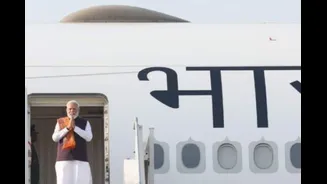

Dreamliner Order Announced
The centerpiece of this business news is the announcement of Delta Air Lines' order for Boeing Dreamliners. The order represents a strategic investment
in the company's fleet, demonstrating a commitment to modernization and efficiency. While the specific number of aircraft and the financial details of the agreement remain undisclosed in this brief, the announcement itself signals a notable shift in Delta's operational strategy. This move is particularly relevant as the aviation sector navigates complex challenges, including rising fuel costs and environmental concerns, underscoring the importance of modern, fuel-efficient aircraft. The focus on the Boeing Dreamliner suggests Delta's confidence in this aircraft's capabilities to meet future demands and optimize its operational performance. This announcement also serves as a message to the market about Delta's proactive measures to strengthen its competitive positioning within the airline landscape.
Earnings Forecast Rise
A key highlight of the announcement is the forecast of a 20% increase in earnings resulting from the Dreamliner order. This financial projection reflects the expected benefits of integrating these new aircraft into Delta's operations. The financial advantages likely include more efficient fuel consumption, increased capacity for passenger and cargo transport, and reduced maintenance costs due to the advanced technology of the Dreamliners. The 20% earnings lift suggests a significant impact on Delta's profitability and financial health. This positive outlook is a sign of confidence in the airline's future growth and is likely to be viewed favorably by investors. It also indicates the potential for Delta to improve its operational efficiency and service quality, which could lead to increased customer satisfaction and loyalty. The projected growth could be linked to various factors, including route expansion and increased demand, which the new aircraft will support.
Market & Competitive Context
The decision comes at a time when the aviation sector faces numerous challenges and opportunities. Competition is intense, with airlines continuously striving to optimize operations and offer competitive pricing. The acquisition of Dreamliners could be a strategic move to gain a competitive edge. These advanced aircraft are known for their fuel efficiency and passenger comfort. This strategic step helps Delta to navigate rising fuel costs and increased environmental regulations. Moreover, it reflects the company's long-term vision and commitment to innovation within the industry. By investing in newer technology, Delta aims to provide a better travel experience for its customers, while improving its bottom line. The strategic move enhances its brand perception among travelers and investors alike. It also positions Delta to respond effectively to market dynamics, including increased passenger demand and changes in travel preferences, strengthening its position in the competitive environment.
Broader Business Implications
Beyond the immediate earnings forecast, the Dreamliner order has broader implications for Delta's business strategy. It indicates a commitment to fleet modernization as a core component of its business model. Fleet modernization is essential for airlines to stay competitive and respond to market demands. The investment suggests that Delta is focusing on enhancing operational efficiency and improving customer experience. As older aircraft are replaced, the airline can reduce maintenance costs and improve operational reliability. The new aircraft offer modern amenities that improve passenger comfort and satisfaction. Investing in the Dreamliner highlights Delta’s focus on environmentally conscious practices. It also underscores Delta's ability to navigate the complexities of the aviation market. This strategic decision shows the company's confidence in its future, signaling a proactive approach to industry challenges and opportunities. This also affects the supply chain and partnerships within the aviation ecosystem, impacting various stakeholders.