







An Ancient Ocean Ritual
Embark on a journey into Thalassotherapy, more commonly known as seaweed bathing, a wellness practice that has gracefully stood the test of time. Originating
from the Greek word 'thalassa' for sea, this tradition has remained remarkably consistent for hundreds of years. It involves immersing oneself in warm baths infused with the potent goodness of seaweed, a practice cherished in coastal communities, particularly along the Irish coast and other European shores. This unique treatment artfully blends the tranquility of nature with the serene experience of seaside culture, presenting a spa indulgence that is deeply rooted in maritime heritage and continues to captivate individuals seeking a holistic approach to well-being.
Coastal Roots and Evolution
The origins of seaweed bathing are deeply entwined with the rugged Atlantic coast of Ireland, where this therapeutic practice first took root. Its popularity surged significantly during the 19th century. At this time, burgeoning seaside bathhouses began to offer revitalizing hot seaweed baths, catering to local fishermen and a growing influx of visitors. These individuals sought solace and rejuvenation after arduous days at sea or long journeys. This historical context highlights how seaweed bathing evolved from a regional custom to a recognized form of therapeutic relaxation, intrinsically linked to the maritime lifestyle and the allure of the coastal environment.
The Bathing Experience Unveiled
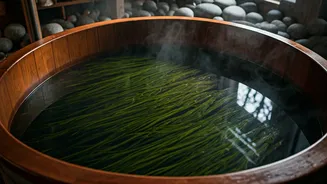
The process of a seaweed bath is elegantly simple yet profoundly effective. Freshly gathered or carefully dried seaweed is introduced into a tub filled with hot water. As the water heats, the seaweed softens and gradually expands, releasing its beneficial properties into the bath. Bathers typically spend between 20 to 30 minutes submerged in this warm, mineral-rich water. The seaweed gently floats around, creating an immersive and therapeutic ocean-like ambiance. This sensory experience is designed to promote deep relaxation and allow the body to absorb the natural goodness offered by the sea's bounty.
The Power of Seaweed
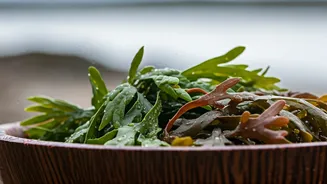
The specific types of seaweed employed in these baths are key to their efficacy, with brown seaweeds like Bladderwrack and Knotted Wrack being particularly favored. These robust varieties possess the remarkable ability to expand considerably when immersed in warm water. During this process, they generously release a wealth of natural oils and essential minerals directly into the bathing water. The result is a luxurious, silky texture that envelops the bather, contributing significantly to the soothing and restorative nature of the experience. These seaweeds are packed with nutrients that are believed to benefit the skin and overall well-being.
Victorian Seaside Fashions
During the Victorian era, seaweed bathing experienced a notable surge in popularity, aligning with the burgeoning trend of coastal tourism. As seaside towns became fashionable destinations, dedicated bathhouses began to emerge. These establishments offered heated seaweed baths as a prime attraction, providing visitors with a novel and invigorating experience. The practice was often enjoyed after a bracing swim in the ocean, capitalizing on the perceived health benefits and the luxurious feel of the seaweed-infused water. This period cemented seaweed bathing as a sophisticated spa treatment associated with leisure and wellness.
Modern Revival and Destinations
While deeply rooted in tradition, seaweed bathing is experiencing a significant renaissance today, fueled by a growing interest in natural wellness and ocean-based therapies. Travelers and wellness enthusiasts alike are increasingly seeking out unique and authentic spa experiences. This ancient practice is now being embraced by contemporary spas, which offer treatments inspired by its time-honored methods, often incorporating modern wellness approaches. For those yearning to experience this authentic ritual, traditional seaweed baths can still be found in cherished locations, such as County Sligo in Ireland, particularly in charming coastal villages like Strandhill, where historic bathhouses diligently maintain the practice.