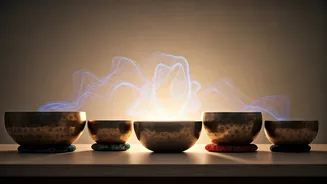








The Power of Sleep Meditation
Many individuals face the frustration of tossing and turning, unable to find restful sleep, which can impact their daily lives and overall health. Fortunately,
sleep meditation offers a powerful solution by preparing both the body and mind for tranquility. This practice helps to disengage from the day's anxieties and stressors, allowing for a release that paves the way for a peaceful night's slumber. Research supports the efficacy of meditation in managing pain and stress, with studies indicating a reduction in activity in brain regions associated with these sensations. Beyond immediate sleep benefits, regular sleep meditation can also contribute to decreased risks of anxiety and depression, aid in adjusting to different time zones or sleep schedules, and has even been shown to improve sleep quality in adults. Furthermore, the benefits extend to enhanced alertness, improved concentration, and better problem-solving skills, all stemming from the restorative effects of quality sleep.
Duration and Simplicity
The idea of adding another task to your routine might seem daunting, especially when sleep is the goal. However, sleep meditation is remarkably flexible and doesn't require a significant time commitment. Even a brief practice of just two to five minutes can yield noticeable improvements in sleep onset and quality. As you become more accustomed to meditating, you might find yourself extending the sessions to 15 or 20 minutes, but this is entirely optional. The key is to find a duration that comfortably fits your schedule and helps alleviate your stress levels. It's important to remember that even a few minutes of focused, relaxing practice can be highly effective, offering substantial benefits without adding undue pressure to your pre-sleep routine.
Your Sleep Meditation Guide
Embarking on your sleep meditation journey begins with establishing a comfortable environment. First, find a relaxed and cozy position in your bed, ensuring you have adequate blankets and that your sleeping attire is comfortable. Dim the lights and settle in, preparing to transition from wakefulness to a state of rest. Optionally, introduce a soothing background sound, such as gentle rain, ocean waves, or white noise, which can mask external disturbances and enhance relaxation. The next crucial step is to focus on your breath. Practice taking 5-10 deep, deliberate breaths, inhaling through your nose and exhaling through your mouth, allowing your belly to expand with each inhale and fully release with each exhale. This intentional breathing pattern helps to calm the nervous system and signal to your body that it's time to wind down. Once you feel more settled, gently close your eyes and choose a technique to guide your mind towards sleep. You can continue focusing on your breath, allowing thoughts to drift by like clouds, or explore other methods such as progressive muscle relaxation, where you systematically tense and release different muscle groups to relieve tension. Alternatively, engage your imagination with visualization, picturing a serene and peaceful place that brings you comfort. Practicing gratitude, by reflecting on things you are thankful for, can also foster a sense of peace. For a simpler approach, try counting backward from 10, repeating the sequence if needed, or perform a body scan, bringing awareness to each part of your body and consciously releasing any held tension.