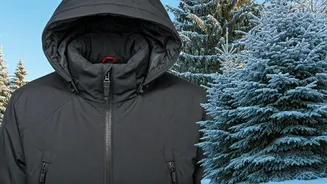

Understanding Winter Jackets
Winter jackets serve a crucial role, going beyond mere fashion statements. They are designed to protect against harsh weather conditions, including cold
temperatures, wind, and precipitation. They vary significantly in design, materials, and features, with each influencing their functionality. The primary function of a winter jacket is to provide insulation. This is accomplished by trapping air within the fabric layers, creating a thermal barrier that slows down heat loss from the body. Different insulation materials, such as down, synthetic fibers, or wool, provide varying levels of warmth and breathability. Furthermore, the outer shell is crucial; it acts as the first line of defense against the elements. It must be windproof and water-resistant to prevent external elements from penetrating, thus keeping the wearer dry and warm.
Essential Features Explained
When choosing a winter jacket, paying attention to specific features can greatly affect its performance and comfort. Insulation is a critical factor, with down jackets being celebrated for their high warmth-to-weight ratio; however, synthetic alternatives such as polyester or PrimaLoft offer an advantageous edge when it comes to moisture resistance. The outer shell's characteristics are equally critical. Waterproof and windproof materials are necessary for protection. Look for jackets with a durable water-repellent (DWR) finish, which causes water to bead up and roll off. Breathability is also important to prevent overheating and the build-up of moisture inside the jacket during physical activity. Features like vents under the arms can help with regulating body temperature. Other essential features include a hood for added protection, pockets to store essentials, and adjustable cuffs and hem to seal out the cold.
Layering For Warmth
Layering is a fundamental strategy for maximizing the effectiveness of a winter jacket. This process involves wearing multiple layers of clothing to trap heat and regulate body temperature. The base layer is worn closest to the skin and its primary function is to wick away moisture; materials like merino wool or synthetic fabrics are ideal for this. The mid-layer provides insulation; fleece, wool sweaters, or insulated vests are good choices here. This layer helps trap the air warmed by your body. The outer layer is the winter jacket itself, which protects against wind, rain, and snow. By varying the number and thickness of layers, you can readily adapt to fluctuating weather conditions. Proper layering enables you to stay comfortable in a variety of environments, making your winter jacket a versatile and practical investment.
Choosing Your Style
Winter jackets come in a wide range of styles, each suited to different needs and preferences. Parkas are a classic choice, known for their long length and comprehensive protection, often equipped with a fur-lined hood. Puffer jackets, filled with down or synthetic insulation, are highly effective at retaining heat and are recognized for their light weight. Trench coats, while stylish, can be less insulated and may need to be layered accordingly for colder weather. Fitted jackets provide a more tailored look, usually offering a sleek silhouette that's suited for everyday wear. The choice of style should align with the anticipated use: for outdoor activities or harsh weather, prioritize function and durability; for daily use, consider style, comfort, and the ability to layer appropriately for a variety of conditions.
Caring for Your Jacket
Proper care and maintenance of your winter jacket are necessary for preserving its functionality and extending its lifespan. Always follow the manufacturer’s care instructions, which are normally found on the inside label. Washing your jacket too frequently can reduce its effectiveness, especially for those with down insulation. When washing, use a mild detergent made for technical fabrics, and avoid fabric softeners, which can compromise the jacket's water resistance and breathability. For down jackets, consider using a specialized down wash. After washing, tumble dry your jacket on low heat, using dryer balls to help restore its loft. If your jacket is water-resistant, you may need to reapply a DWR treatment periodically to maintain its water-repellent properties. Storing your jacket properly during the off-season, such as in a cool, dry place, helps prevent damage and preserves its condition.