




Understanding Sick Building Syndrome
Indoor environments, particularly high-traffic areas like airports, can accumulate pollutants, leading to a condition known as 'sick building syndrome'
(SBS). This syndrome manifests as a range of uncomfortable and sometimes debilitating symptoms, including headaches, fatigue, respiratory irritation, and difficulties with concentration, with individuals possessing pre-existing respiratory conditions like asthma often experiencing amplified discomfort. While the direct cause of SBS can be elusive, research strongly suggests a correlation between time spent in buildings with compromised air quality and the onset of these acute health effects. It's estimated that a significant portion of new or renovated structures might exhibit elevated levels of SBS complaints directly attributable to subpar air circulation and elevated pollutant concentrations, highlighting a pervasive issue in modern construction and occupancy.
Algae: Nature's Air Filters
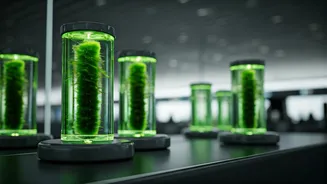
The concept of using algae to combat air pollution stems from its natural photosynthetic capabilities. Algae efficiently absorb carbon dioxide and other airborne contaminants, converting them into vital oxygen. This biological process is significantly more potent than one might imagine; for instance, the spirulina algae utilized in this innovation boast a higher photosynthetic efficiency than common houseplants. In a practical application, 125 gallons of algae, housed in visually striking, illuminated tubes, can reportedly purify air equivalent to that processed by approximately 5,000 houseplants. Furthermore, this method offers a sustainable, circular approach, as the depleted algae can later serve as a nutrient-rich resource for horticultural purposes, closing the loop in environmental management.
Airport Air Quality Challenges
Airports, by their very nature, present unique challenges to maintaining optimal indoor air quality. The sheer volume of air travel contributes significantly to atmospheric carbon emissions; a single long-haul flight can release an amount of pollution comparable to a person's annual emissions in many nations. When this is combined with the constant influx of vehicles serving the airport, the concentration of carbon dioxide and other pollutants within these facilities can become remarkably high. This creates an environment where the risks associated with sick building syndrome are considerably elevated, underscoring the urgent need for effective, large-scale air purification solutions within these critical transit hubs.